
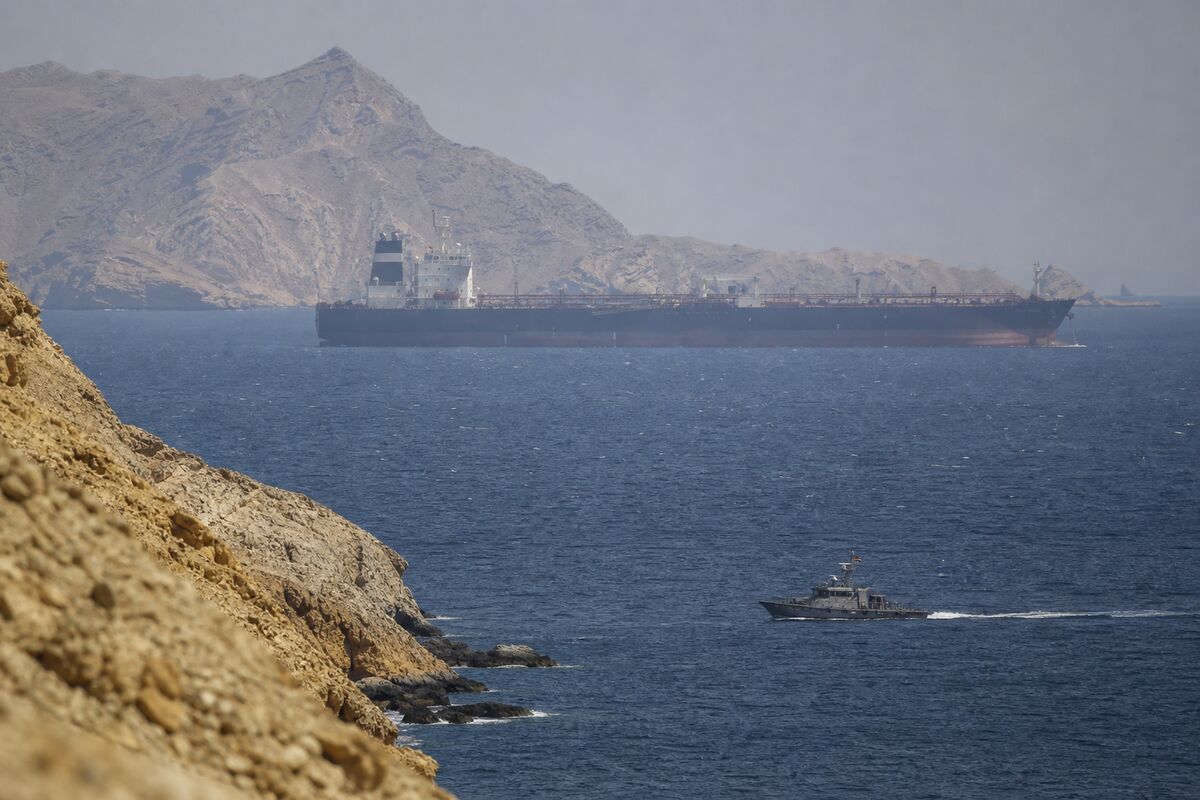
Oil has crossed a line that markets cannot dismiss. Brent crude reached $110 a barrel for the first time since May as traders priced mounting supply risks tied to escalating tensions around the Strait of Hormuz and waters off Saudi Arabia.
The move is already broadening beyond the crude contract. Diesel and gasoline futures also climbed, signaling that traders are assessing not only the threat to global supply but also the potential transmission into refiners, consumer fuel costs and inflation expectations.
According to Bloomberg’s report, the catalyst was a series of reports involving tankers struck by mines and projectiles in the Strait of Hormuz and off Saudi Arabia. Those incidents have introduced a geopolitical risk premium into crude pricing. The market is no longer focused solely on barrels produced; it is also pricing the security of the routes used to move them.
The downstream signal matters
Crude is the headline, but diesel and gasoline futures may offer the more immediate read-through for the broader economy. Their rise indicates that traders see the supply concern extending into refined products, where disruptions can affect transportation, industrial activity and household fuel bills.
That does not mean every increase in futures prices will translate one-for-one into retail gasoline or diesel prices. Refining margins, inventories, logistics and regional market conditions all matter. But a simultaneous rise in crude, diesel and gasoline futures points to a market preparing for a more persistent energy shock rather than treating the incident reports as isolated noise.
The Strategic Petroleum Reserve exchange
Washington has solicited an exchange of up to 17 million barrels from the U.S. Strategic Petroleum Reserve. The proposal is important as a signal that policymakers are watching the supply risk and are prepared to discuss the country’s emergency stockpile.
Its direct market impact should not be overstated. An exchange is not the same as an outright release, and the proposed volume would need to be assessed against the scale and duration of any disruption. The announcement may help reassure traders that additional barrels could become available, but it does not eliminate the underlying concern over tanker security or restore disrupted infrastructure.
What it means for producers and refiners
For U.S. energy producers, a crude move to $110 may improve the revenue backdrop if elevated prices persist. Yet the market’s reaction will depend on how long the risk premium lasts and whether supply interruptions become material. A brief geopolitical spike is a different event from a sustained change in crude availability.
Refiners face a more complicated setup. Higher crude costs can support the value of refined products when gasoline and diesel futures rise alongside oil, but margins may remain sensitive to how quickly those costs reach customers. Canadian oil and gas equities could also respond to the broader commodity signal, although the assignment provides no company-level prices or performance data to distinguish winners and losers.
Inflation and the Federal Reserve
A sustained move above $110 could influence inflation expectations by reviving concerns about transportation and energy costs. That could affect market positioning ahead of Federal Reserve policy decisions, particularly if fuel prices begin to shape broader expectations about consumer prices.
The historical lesson is straightforward: energy shocks can complicate central-bank policy because they pressure inflation while potentially weighing on demand. For now, the key question is whether the reports from the Strait of Hormuz and off Saudi Arabia develop into a lasting supply disruption. Until that answer arrives, the market is likely to keep treating every tanker incident, policy response and fuel-futures move as evidence for one side of the trade.
Bull/Bear Verdict
Bull Case: Brent reaching $110 for the first time since May, alongside higher diesel and gasoline futures, may support the revenue outlook for energy producers if supply risks remain elevated.
Bear Case: Reports of tanker strikes could deepen inflation concerns, while the proposed exchange of up to 17 million Strategic Petroleum Reserve barrels may limit the shock without resolving the underlying Strait of Hormuz risk.