Crescent Energy Company’s proposed acquisition of Eagle Ford assets from Devon Energy puts a $3.85 billion transaction at the center of the US shale consolidation debate. The deal arrives as WTI crude rises 4.1% to $92.60 amid Middle East supply concerns, creating a high-profile test of how producers value basin assets during a sharp oil-price move.
For investors tracking US energy M&A, the key question is not whether the Eagle Ford remains important. Crescent says the transaction would solidify its “world-class position” in the basin. The immediate issue is how the estimated net purchase price of approximately $3.85 billion fits into a market where stronger crude prices may influence both asset valuations and the timing of transactions.
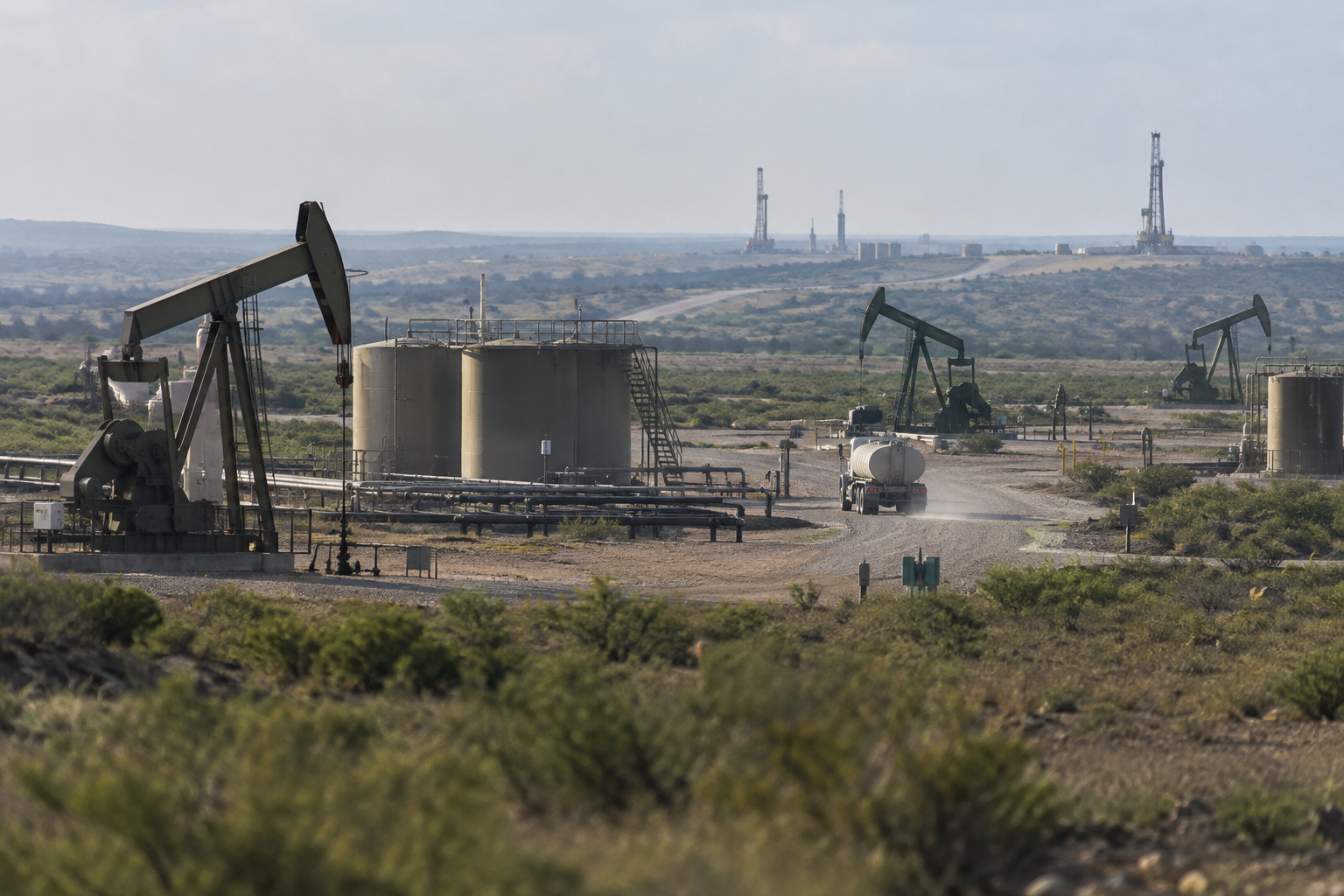
Crescent Energy Company, which trades under $CRGY on the NYSE, has entered a definitive agreement to acquire the Eagle Ford assets from Devon Energy. The announcement describes the transaction as a major step in Crescent’s basin strategy and a significant consolidation move in one of the most active oil plays in the United States.
A major consolidation marker
The Eagle Ford deal gives the US shale consolidation story a concrete headline number: approximately $3.85 billion in estimated net purchase price. That figure provides investors with a clear reference point for assessing how valuable established basin positions have become as crude prices move higher.
Crescent’s description of its “world-class position” also signals the strategic logic behind the agreement. Rather than simply adding assets, the transaction is presented as strengthening Crescent’s position in the Eagle Ford basin. That matters because scale and concentration can shape how investors view a producer’s competitive standing within a major US oil play, even before the market evaluates the broader financial implications.
The transaction also reinforces a larger industry pattern: US shale competition is increasingly being reshaped through acquisitions. A deal of this size between Crescent and Devon places basin positioning, rather than only production growth, at the center of the analysis. Investors may therefore focus on what the purchase says about the value of Eagle Ford assets and the willingness of companies to commit capital to established US shale regions.
Oil-price timing raises the valuation question
The timing is especially notable. WTI crude is up 4.1% at $92.60, with Middle East supply concerns supporting the move. That backdrop can make an announced acquisition more consequential for market observers because the commodity price used to frame future asset economics is changing sharply at the same time the deal is being evaluated.
Investors may examine whether the approximately $3.85 billion price reflects valuations shaped by the current crude environment, longer-term expectations, or the strategic importance of the Eagle Ford position. The available announcement does not provide additional transaction terms or operating details, so the central analytical lens remains the relationship between the headline purchase price, the basin’s strategic value and the timing of the agreement.
That distinction is important. A rising oil price can improve the market’s perception of US shale assets, but it can also make transaction timing more closely scrutinized. The Crescent-Devon agreement may become a reference point for future US energy M&A discussions precisely because it combines a large basin transaction with WTI at $92.60.
What investors are watching
- Price: The estimated net purchase price is approximately $3.85 billion.
- Positioning: Crescent says the transaction solidifies its “world-class position” in the Eagle Ford.
- Consolidation: The agreement represents a major move in an active US oil play.
- Timing: WTI is up 4.1% to $92.60 amid Middle East supply concerns.
The definitive agreement remains the central fact. Until more transaction information is available, investors may focus less on operational assumptions and more on the strategic signal: Crescent is seeking a stronger Eagle Ford position while crude prices are rising, and Devon is the seller named in the agreement. The announcement can be read as another indication that basin-scale assets remain central to competition across the US energy market. The company’s announcement is available through Business Wire.
Bull/Bear Verdict
Bull Case: The approximately $3.85 billion Eagle Ford agreement could strengthen Crescent’s US shale positioning, while WTI at $92.60 may support investor interest in basin-scale consolidation.
Bear Case: The 4.1% WTI increase and Middle East supply concerns may make the deal’s timing and approximately $3.85 billion valuation more difficult for investors to assess without additional transaction details.