
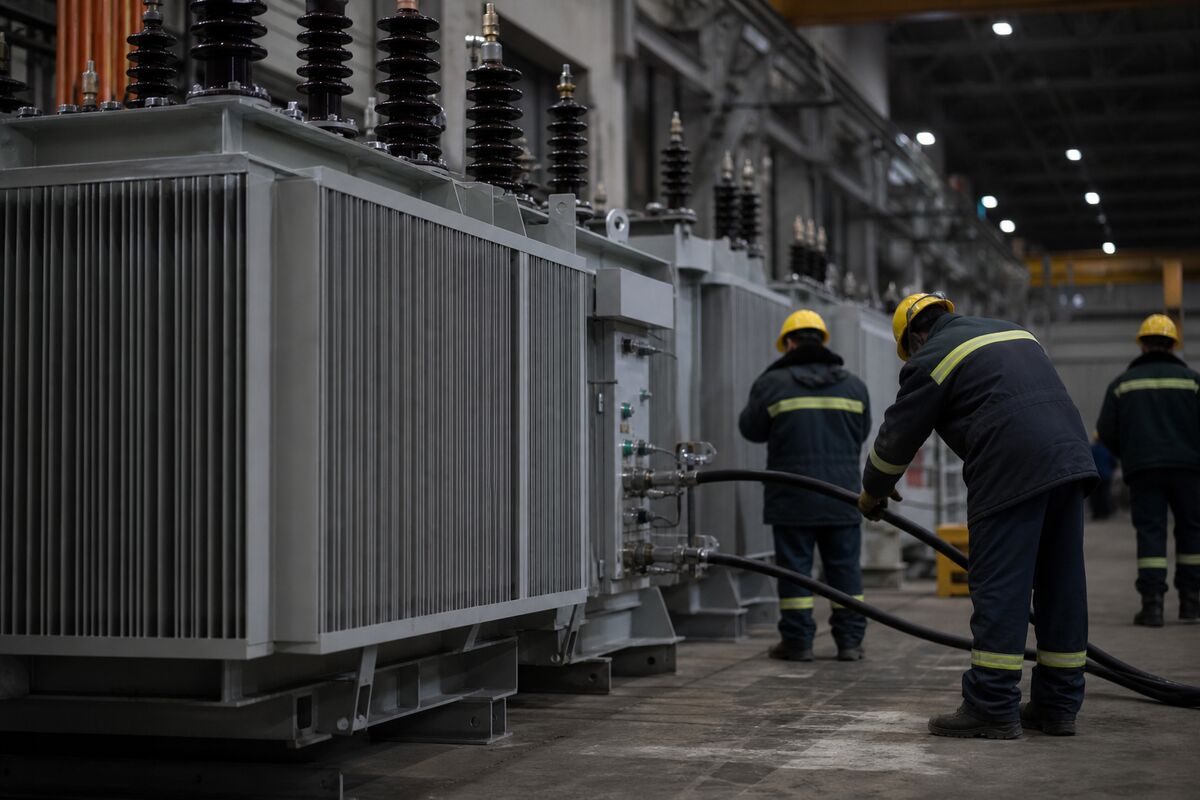
GE Vernova’s agreement to acquire grid equipment maker Trench for $9 billion is more than a large industrial transaction: it is a direct statement about where management sees power-system demand heading. Paired with a second increase to its revenue forecast, the deal suggests the company is positioning for sustained requirements across the US and Canadian electricity infrastructure markets.
The signal matters because utilities, data centers, and electrification projects all require additional transmission and distribution equipment. For energy and industrial investors, GE Vernova’s move puts grid capacity at the center of the growth discussion—and raises the standard for execution that the company will now need to meet.
A $9 billion bet on grid equipment
GE Vernova agreed to acquire Trench in a transaction valued at $9 billion, according to Seeking Alpha’s report. The assignment does not provide transaction-structure details, so the clearest analytical takeaway is the scale of the commitment: GE Vernova is allocating $9 billion to expand its position in equipment tied to the grid.
That strategic focus aligns with a structural challenge facing North American power systems. Utilities need to support new and upgraded networks, while data centers add electricity demand and electrification projects increase the importance of dependable transmission and distribution capacity. The combination creates a larger addressable need for grid equipment, although the deal itself does not establish a specific revenue outcome or timetable.
The forecast revision is the second signal
The Trench acquisition would be notable on its own. The second increase to GE Vernova’s revenue forecast gives investors another data point to evaluate. Management is not merely pursuing capacity in the grid-equipment market; it is also communicating greater confidence in the company’s revenue outlook.
That combination may influence expectations in two ways:
- Growth expectations: The acquisition could strengthen the view that grid infrastructure will be an important contributor to GE Vernova’s future expansion.
- Execution expectations: A $9 billion transaction creates a higher bar for integrating the acquired business and converting demand into revenue.
- Demand visibility: A second forecast increase may indicate that current orders or market conditions are supporting a more constructive outlook, without providing a precise revenue figure in the available information.
Investors should separate those signals from assumptions the source material does not support. There is no provided share-price move, forecast amount, transaction structure, or valuation multiple. The available facts support an analysis of strategic direction and expectations—not a precise calculation of the acquisition’s financial return or its effect on valuation.
Why the US and Canadian grid theme matters
For US and Canadian energy and industrial markets, the relevance extends beyond one company. New data-center demand, electrification, and utility investment all depend on physical infrastructure capable of moving power where it is needed. Transmission and distribution equipment therefore sits between demand growth and the system’s ability to deliver it.
That makes GE Vernova’s acquisition a useful industry marker. If utilities and large power users continue to expand infrastructure requirements, grid-equipment suppliers may receive greater strategic attention. But demand does not remove execution risk. GE Vernova must integrate Trench, manage the scale of the transaction, and demonstrate that the forecast increase can be translated into operating performance.
Market commentary adds a sentiment signal
In Wednesday market commentary, Jim Cramer characterized GE Vernova as having “crushed it,” as reported by CNBC. The comment is sentiment, not a reported operating metric, but it reinforces how the company’s acquisition and forecast update are being received in market discussion.
The key question now is whether confidence can be matched by delivery. The $9 billion Trench transaction highlights GE Vernova’s ambition in grid equipment, while the second revenue-forecast increase points to stronger near-term expectations. Together, they may support a more constructive growth narrative—but they also make integration and execution central to the next phase of the story.
Bull/Bear Verdict
Bull Case: The $9 billion Trench acquisition and GE Vernova’s second revenue-forecast increase may indicate confidence that data centers, electrification, and utility demand will support expanded grid-equipment growth.
Bear Case: The $9 billion commitment raises execution demands, and the company must integrate Trench and convert the second forecast increase into results without a provided revenue figure or transaction structure to quantify the impact.