
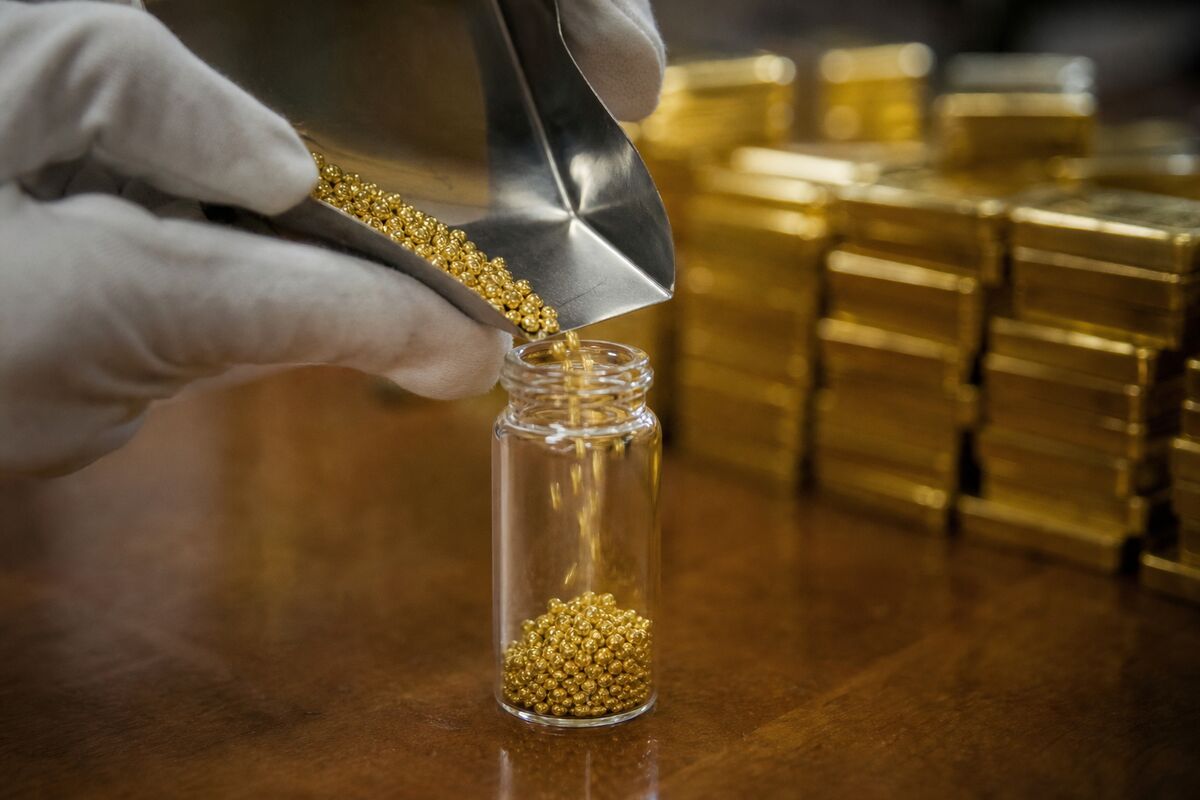
Gold gained 3% as the dollar fell after Democrats won a sweeping midterm victory, turning the post-election market into a referendum on currency exposure as much as politics. The move put precious metals back in the trader’s spotlight while stocks rallied broadly—a reminder that markets can cheer the headline and still rotate beneath the surface.
The so-called “blue sweep” produced a familiar but potent market pairing: a weaker dollar and stronger dollar-denominated commodities. For holders watching SPDR Gold Shares, iShares Silver Trust, and US and Canadian mining equities, the immediate signal was clear enough. Precious-metals exposure had found a fresh catalyst, even as data-center stocks declined in the same session.
According to Reuters reporting cited in the market coverage, Wall Street rallied after Democrats won Congress, while the dollar dipped and data-center stocks declined. That combination matters because it suggests the session was not simply a broad risk-on celebration. Capital was also being redirected, with precious metals benefiting from the currency move.
Why the dollar matters for gold and silver
Gold and silver are typically quoted in US dollars. When the dollar weakens, the same ounce can become less expensive in other currencies, potentially improving demand from buyers outside the United States. For dollar-based investors, the relationship can also make a softer greenback supportive of the nominal value of precious metals.
That is the basic market logic behind the 3% gold gain. The election result supplied the spark; the currency reaction supplied the transmission mechanism. If traders believe the political outcome could produce a sustained shift in policy expectations, the dollar may remain part of the precious-metals trade rather than merely serving as a one-session footnote.
Funds become the cleanest expression of the trade
SPDR Gold Shares may attract attention as a direct vehicle for gold exposure, while iShares Silver Trust offers a way to position around the related silver theme. The reported data does not establish how either fund performed in the session, so the relevant conclusion is about positioning rather than an invented fund return.
A 3% move in gold can change the conversation quickly. Traders who had been underexposed to precious metals may reassess the cost of ignoring a weakening dollar, while existing holders may view the jump as confirmation of their thesis. That does not guarantee follow-through. Funds can still respond differently depending on flows, market liquidity, and the direction of the underlying metal.
What miners may hear in the signal
US and Canadian gold and silver miners could receive a favorable sentiment read-through if investors treat the move as the beginning of a broader rotation into precious-metals exposure. Higher metal prices may improve potential revenue per ounce, and if operating costs do not rise by the same amount, the market may interpret the move as supportive of margins.
Mining equities, however, are not simply metal prices wearing company logos. They also carry operating, financing, project-execution, and jurisdictional considerations. The election-driven move may bring fresh flows into the group, but those flows could favor liquid funds first and miners later. Silver producers may also draw interest through the iShares Silver Trust theme, although the assignment provides no basis for ranking individual companies.
Election spark, macro test
The immediate reaction is easier to explain than its durability. The Democratic sweep, the broad stock rally, the weaker dollar, and the 3% gold gain describe a sharp repricing of expectations. The longer-term test will be whether the dollar continues to soften and whether broader macro forces—interest-rate expectations, inflation concerns, and investor demand for defensive or alternative exposure—keep supporting precious metals.
For traders, the distinction is crucial. The election result may have opened the door, but currency direction and macro follow-through will determine whether gold’s burst becomes a durable trend or fades as the headline risk passes. In the meantime, the market has delivered a vivid message: when the dollar loses altitude, gold and the miners can suddenly look less like a side bet and more like part of the main rotation.
Bull/Bear Verdict
Bull Case: The 3% gold gain, a weaker dollar, and the post-election rotation into precious-metals exposure could support continued interest in SPDR Gold Shares, iShares Silver Trust, and US and Canadian miners if the currency weakness persists.
Bear Case: The move may prove election-driven rather than durable; if the dollar stabilizes or macro support fades, the 3% gold jump and related miner enthusiasm could lose momentum.