
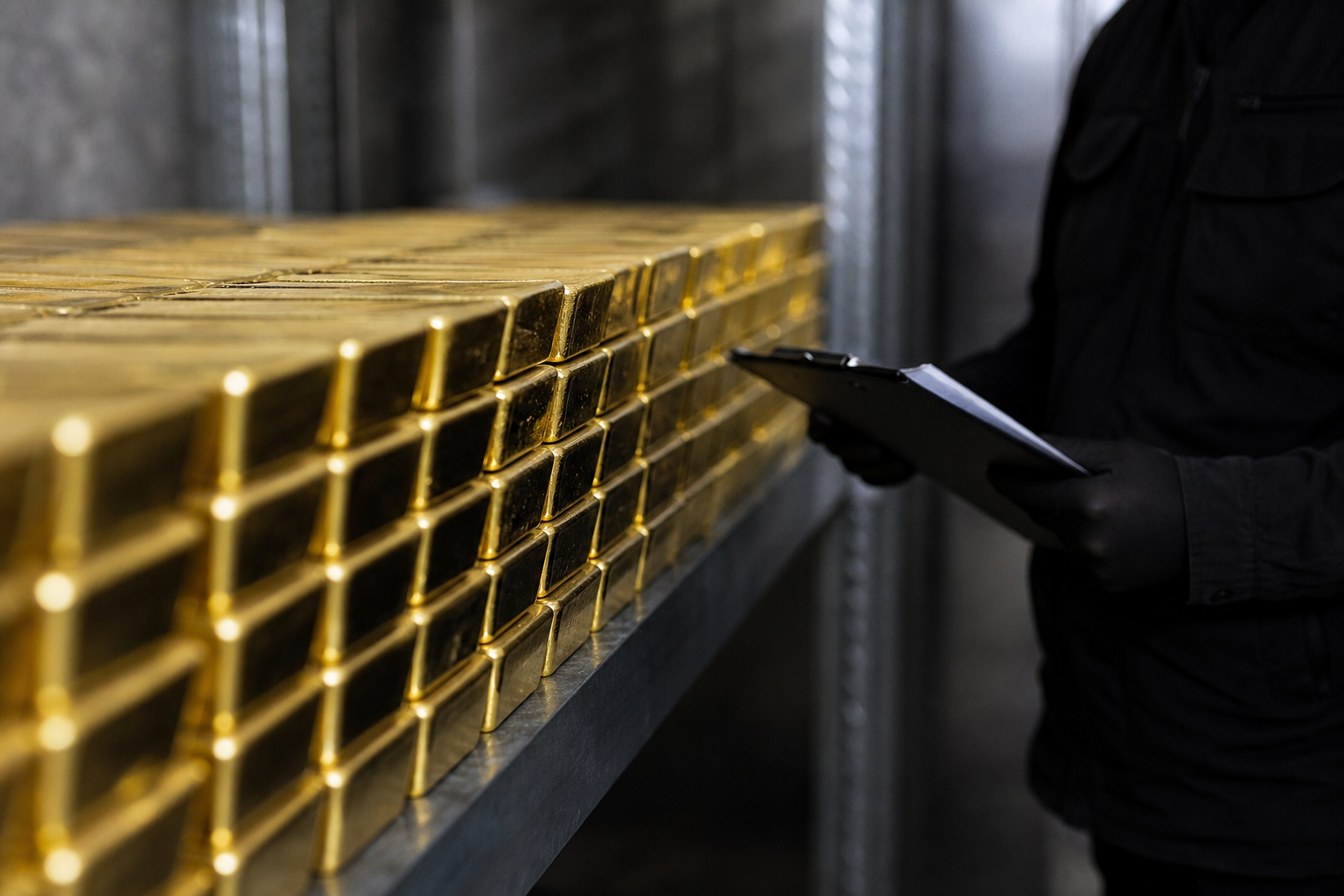
Gold prices took a significant hit recently, sliding nearly 2% as the dollar surged to a one-year peak. This dynamic is crucial for traders to understand, particularly in the context of the Federal Reserve's aggressive stance on interest rates.
Currently, gold is trading at approximately $4,216 according to data from June 22. The strength of the dollar, driven by expectations of a hawkish Fed, is creating waves in the precious metals market. Traders should be on high alert — the setup is forming, and the implications could be far-reaching.
The Fed's hawkish tone is not just a passing phase; it’s impacting investor sentiment across the board. Precious metals and mining stocks are feeling the pressure, leading to a potential shift in market dynamics. As the dollar strengthens, gold typically struggles to maintain its luster, and that's exactly what we're witnessing now. The broader market implications are significant, especially for equities tied to gold prices.
Technical traders should keep an eye on key levels in the gold market. A break below certain support levels could signal further downside risk. Conversely, if gold manages to reclaim lost ground, it may suggest a reversal in sentiment. Watch this level closely as it can dictate the next moves in both gold and related stocks.
Furthermore, the S&P 500 and Nasdaq have also reacted negatively, closing lower as tech giants like Alphabet dragged the indexes down. This correlation with gold prices indicates that more than just currency fluctuations are at play. The interconnectedness of these markets is something active traders must consider when making their next moves.
In summary, with the dollar's strength and hawkish Fed expectations dominating the narrative, gold faces an uphill battle. Traders should prepare for volatility and keep a keen eye on technical indicators as this dynamic unfolds.
For a deeper dive into the current market conditions, check out the full analysis on Reuters.