Silver’s strength is drawing traders back to the miners—and Hecla Mining Company sits squarely in that conversation. With silver spot prices holding near multi-year highs and the gold-silver ratio around 79.9, the setup gives $HL a clear trading identity: a US-listed primary silver producer whose shares may respond to shifts across the precious-metals complex.
That does not make Hecla the same thing as owning physical silver. It is an operating business with mines, costs, execution demands and exposure to multiple metals. But when silver remains elevated, traders may monitor primary producers such as Hecla for a potentially leveraged expression of the underlying commodity backdrop.
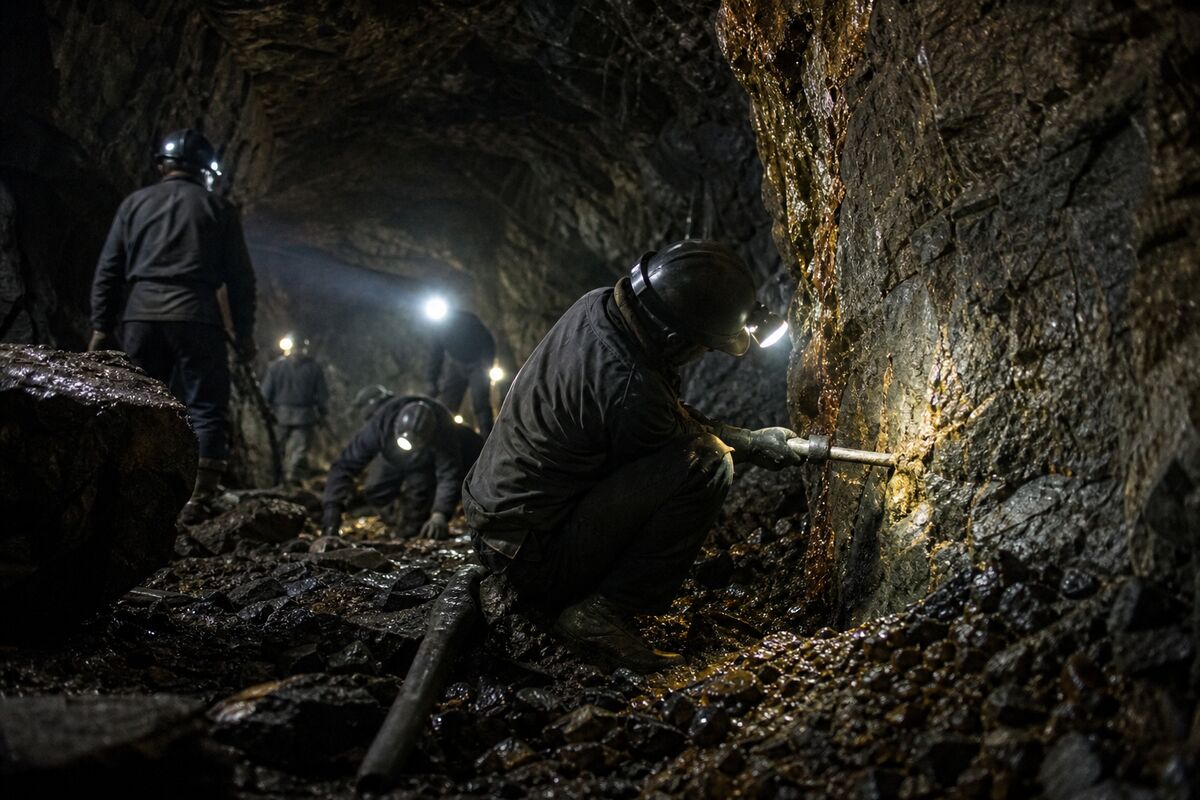
Hecla Mining Company is listed in the United States under the ticker $HL. The company operates precious- and base-metals operations across the United States, Canada, Japan, Korea and China. That geographic footprint matters because the stock represents more than a simple one-for-one claim on silver. Investors and traders are assessing a mining enterprise, not a vault holding bullion.
The distinction is essential. Physical silver offers direct exposure to the metal’s market price. A producer’s shares, by contrast, may reflect silver prices alongside operating performance, mine execution, costs, capital requirements and broader equity-market sentiment. The result can be amplified exposure in either direction, but the assignment does not provide current share-price, production, earnings or analyst-target data. Those figures should not be invented or inferred.
Why the gold-silver ratio matters
Kitco’s silver data places the gold-silver ratio at approximately 79.9. The ratio tracks how many units of silver correspond to the value of one unit of gold. For traders, it provides context for the relative positioning of the two precious metals rather than serving as a standalone forecast.
A ratio near 79.9 keeps the relationship between gold and silver in focus. If market attention remains concentrated on silver while spot prices hold near multi-year highs, primary silver producers may attract additional scrutiny. Hecla’s status as one of the largest primary silver producers trading on US exchanges makes $HL a natural name for that discussion.
Still, the bullish case is not a promise of performance. It rests on a specific market relationship: elevated silver prices may improve the appeal of companies with meaningful silver exposure, while the equity structure can introduce additional operating sensitivity. The bearish counterpoint is just as straightforward: a mining stock may fail to mirror physical silver because business execution and company-specific factors matter.
What traders are watching
The stock profile for Hecla was updated via Yahoo Finance within the last 24 hours, providing a current reference point for the company’s US-listed security. Traders can review the Yahoo Finance profile for $HL while keeping the commodity backdrop in view through Kitco’s silver data.
The bottom line is disciplined rather than sensational: $HL may offer leveraged exposure to the precious-metals complex, but it is not a substitute for direct ownership of silver. The gold-silver ratio near 79.9 and silver prices near multi-year highs explain why the name is attracting attention; they do not establish a price target or guarantee a particular outcome.
Bull/Bear Verdict
Bull Case: Silver holding near multi-year highs, alongside a gold-silver ratio of approximately 79.9, may support attention toward Hecla as a US-listed primary silver producer with potentially leveraged precious-metals exposure.
Bear Case: $HL represents an operating mining company across several jurisdictions, not physical silver; company execution, costs and broader equity sentiment could cause its shares to diverge from the metal.