
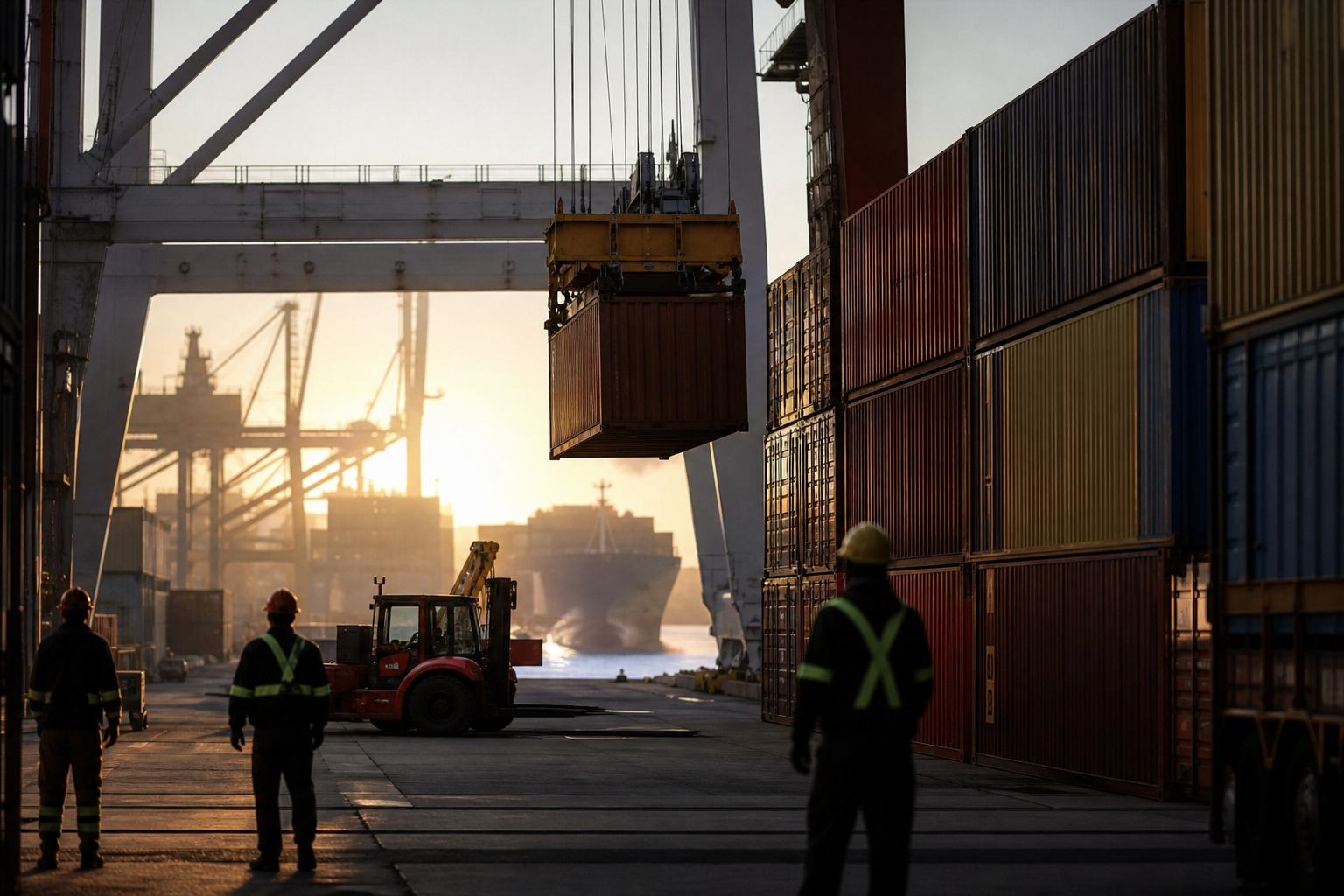
The imposition of a staggering 50% tariff on Canadian exports by the Trump administration is not merely a headline; it is a seismic shift that could redefine the trading landscape between the United States and Canada. As negotiations collapse, the ramifications for TSX-listed exporters in critical sectors such as energy, lumber, and mining are significant and potentially dire. This is a moment that calls for vigilance and understanding of market dynamics.
In an era where trade relationships can pivot on a dime, the recent failure of the U.S.-Canada trade talks underscores a growing rift that may have long-lasting effects. Canadian exporters now face an uphill battle, as these tariffs threaten to erode profit margins and dampen investor sentiment. With the backdrop of Ray Dalio's ominous predictions about a looming debt crisis, the implications of these tariffs extend far beyond immediate financial impacts, suggesting a turbulent road ahead for markets.
The New Tariff Landscape
The 50% tariffs—an unprecedented move—target a range of Canadian exports, amplifying concerns about the viability of sectors heavily reliant on U.S. demand. The energy sector, which has long been a cornerstone of the Canadian economy, may find itself particularly vulnerable. As oil and gas prices fluctuate, the added cost of tariffs could lead to decreased competitiveness against domestic U.S. production, potentially stunting growth in this vital industry.
Lumber, another key export, faces similar challenges. The U.S. has historically been a primary market for Canadian lumber, but with tariffs in place, the cost to U.S. consumers will likely rise, which could dampen demand. This adds a layer of complexity for TSX-listed companies that have already been grappling with supply chain disruptions and fluctuating prices.
Investor Confidence at a Crossroads
As these tariffs take effect, investor confidence in Canadian markets is likely to waver. The broader macroeconomic factors highlighted by Ray Dalio—particularly his warnings regarding a potential debt crisis—serve as a backdrop that could exacerbate market volatility. Dalio’s advocacy for gold and bitcoin as safe havens may resonate with investors looking for stability amid uncertainty, further complicating the investment landscape for traditional sectors.
With the TSX under pressure, market participants must remain alert to shifts in both domestic and international sentiment. The combination of tariffs and macroeconomic instability raises questions about the resilience of Canadian exporters and the potential for a broader economic slowdown. The stakes are high, and the fallout from these trade barriers could be felt for years to come.
Looking Ahead
In the coming months, Canadian exporters will need to adapt to this new reality. The ability to pivot and innovate will be crucial in mitigating the negative impacts of tariffs. Investors will also have to reassess their strategies, weighing the potential risks against the backdrop of an increasingly complex geopolitical landscape. The lessons learned from past trade disputes should inform current strategies, as history has shown that adaptability can spell the difference between success and failure in turbulent times.
As we navigate this uncharted territory, one thing is clear: the relationship between the U.S. and Canada is at a critical juncture, and the implications of these tariffs will echo throughout the markets for the foreseeable future.
Source