
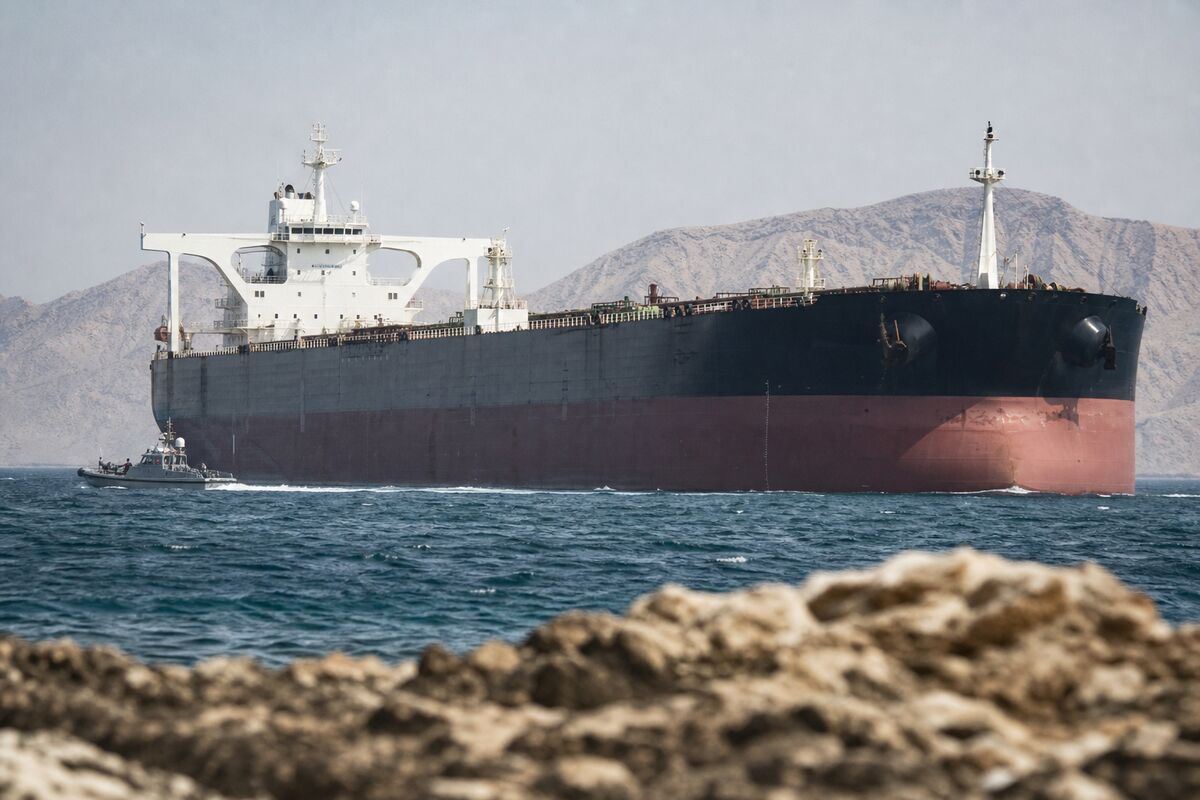
Oil does not need an actual supply outage to reprice the market. It needs traders to believe one is becoming more plausible. Crude oil futures rose $3 and reached their highest settlement since April as renewed attacks on Saudi oil sites and an oil spill affecting the UAE's Ras Al Khaimah pushed Gulf security concerns back to the center of energy trading.
This is the classic geopolitical risk premium at work: a market pricing the possibility of disruption before barrels are necessarily removed from global supply. With all beaches in Ras Al Khaimah shut and Saudi Arabia intercepting drones and missiles amid continued fighting with Yemen's Houthis, energy traders have fresh reasons to demand compensation for holding exposure to a strategically critical region.
The move was detailed in Investing.com's market wrap, which linked the advance to war-related concerns and the Gulf developments. The important point for traders is not simply the size of the day's move. It is the combination of attacks, infrastructure anxiety and uncertainty over whether the situation broadens.
Security risk is now part of the price
Houthi attacks on Saudi oil sites raise concern around the reliability of regional energy infrastructure. The reported interception of drones and missiles by Saudi Arabia indicates that the threat is active rather than merely hypothetical. Meanwhile, the oil spill in the UAE and the closure of Ras Al Khaimah's beaches add an environmental and operational complication to an already tense regional backdrop.
That does not establish a lasting supply shortfall. It does, however, explain why futures can move sharply when the physical market has not yet registered a comparable loss. Traders are weighing the potential for further attacks, defensive responses and interruptions against the available supply cushion. The result is a higher risk premium embedded in crude prices.
US and Canadian producers get a more constructive signal
For US and Canadian energy producers, higher crude prices may improve the revenue outlook at the operating level, particularly if the geopolitical premium persists. But the Baker Hughes data suggests the domestic response remains measured rather than explosive: the US oil rig count rose by one to 460, while the total rig count was unchanged at 603.
That combination matters. One additional oil rig indicates some producer response to stronger pricing, but an unchanged total rig count does not point to a broad acceleration across the US drilling landscape. The data therefore offers a useful counterweight to the price spike. Crude is moving quickly; production capacity may adjust more slowly.
Refiners and inflation-sensitive assets face a different equation
Higher oil prices are not uniformly positive across the energy complex. Producers may benefit from stronger realized prices, while refiners can face pressure if crude feedstock costs rise faster than product prices. The eventual outcome depends on margins and pass-through, neither of which is determined by the headline crude move alone.
The broader market implication is inflation. A sustained increase in energy costs can lift headline inflation expectations and complicate interest-rate pricing. Traders may reassess the timing or extent of future monetary policy changes if higher fuel and transportation costs begin to look persistent. That creates a more difficult backdrop for inflation-sensitive assets, even if the initial catalyst is confined to Gulf security risk.
The contrarian read is straightforward: a $3 jump is meaningful, but it is not proof of a durable oil bull market. The next test is whether attacks continue, whether the UAE spill produces broader operational consequences and whether the risk premium survives beyond the immediate headlines. For now, the market is paying more for uncertainty—and the Baker Hughes figures suggest North American supply is responding cautiously, not aggressively.
Bull/Bear Verdict
Bull Case: Continued Houthi attacks, Saudi missile and drone interceptions, and the Ras Al Khaimah oil spill could keep the Gulf security premium elevated, supporting crude prices and the outlook for US and Canadian producers.
Bear Case: If the attacks do not create a lasting supply disruption, the $3 advance may fade; the unchanged total rig count at 603 and potential pressure on refiners and inflation-sensitive assets underline the market's vulnerabilities.