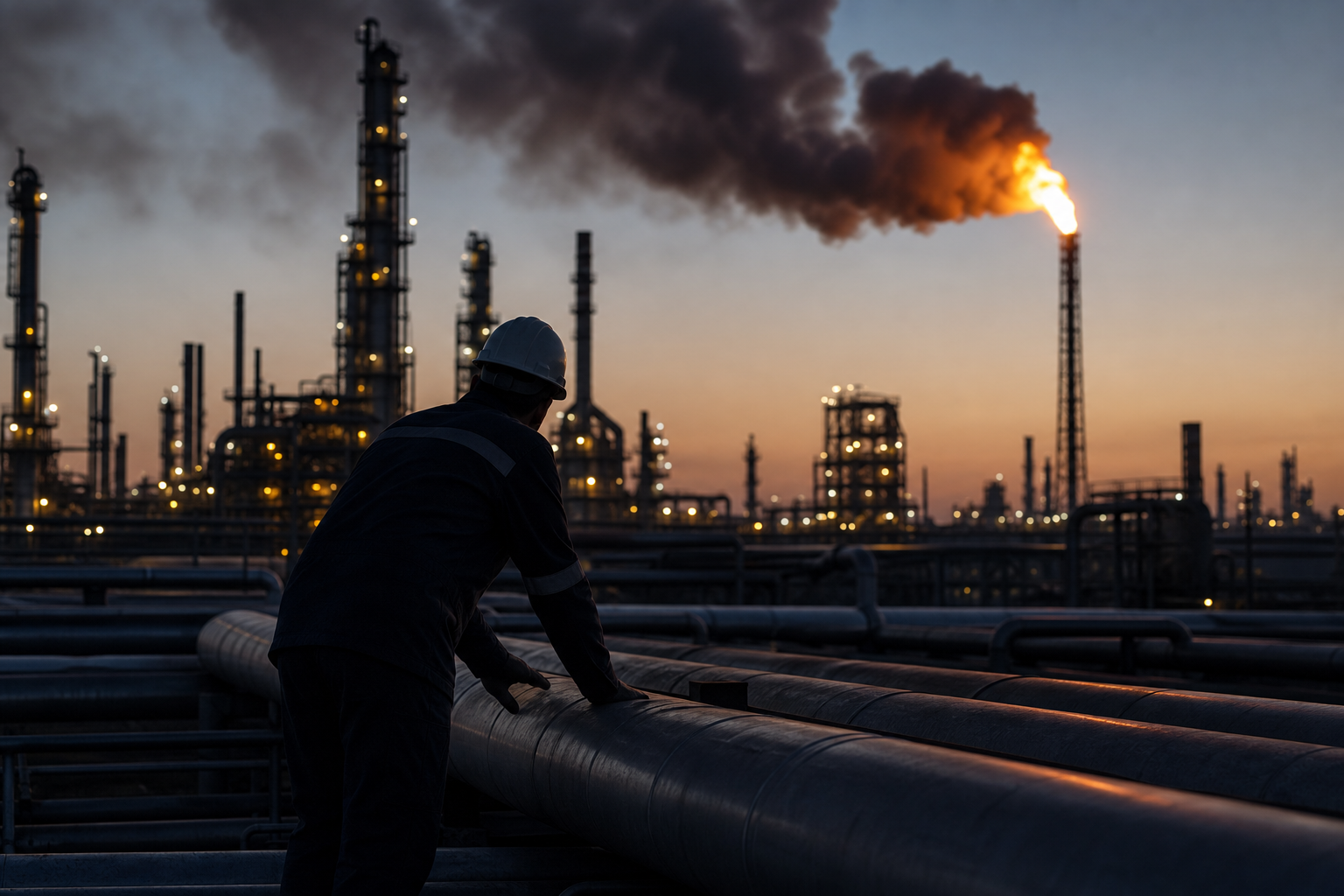
The energy sector is in a state of flux as WTI crude oil prices hover just above the crucial $70 per barrel benchmark. This level has become a focal point for traders, especially in light of ongoing U.S.-Iran diplomatic discussions that could have significant implications for oil supply and pricing.
Current trading levels for U.S. crude oil are indicative of broader market sentiment, with WTI recently reported at approximately $70. The geopolitical landscape remains a critical factor influencing these prices. As negotiations take place in Qatar between U.S. and Iranian officials, traders are keenly aware that any agreements or escalations could lead to fluctuations in oil availability, directly impacting price stability.
- U.S.-Iran Talks: The discussions could either lead to a lifting of sanctions that would allow more Iranian oil into the market or exacerbate supply concerns if tensions escalate.
- Quarterly Losses: Notably, oil is on track for its steepest quarterly loss since 2020, as reported by Reuters. This reflects broader economic concerns and potential oversupply issues.
- Political Pressures: Former President Trump has applied pressure on gasoline retailers to lower prices, adding another layer of complexity to trader sentiment and market dynamics.
As traders analyze the developments, forecasts suggest a mixed outlook for oil pricing moving forward. Some analysts believe that if diplomatic efforts yield positive results, we may see a stabilization or even an uptick in prices as supply concerns ease. Conversely, if the talks fail or tensions increase, the market could face downward pressure, further influencing trader behavior.
The interplay between geopolitical factors and domestic political pressures underscores the volatility of the oil market. With the price of WTI crude oil currently at a pivotal point, traders must navigate these complexities carefully as they position themselves for potential market movements.
In conclusion, while the $70 benchmark serves as a psychological and technical level for traders, the true impact of U.S.-Iran relations and domestic price pressures remains to be seen.
Source: CNBC