
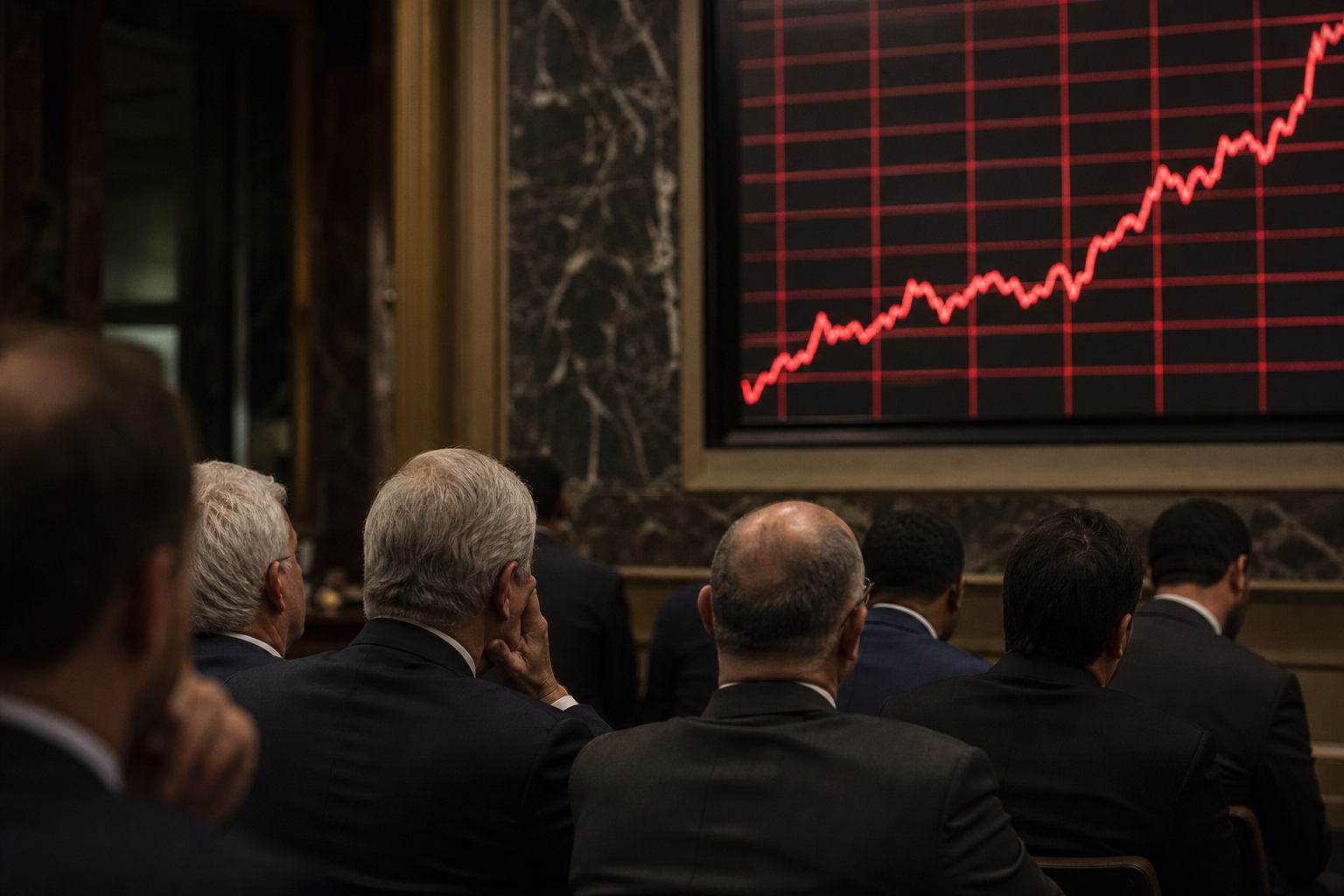
The recent auction of 30-year Treasury bonds, yielding 5.058%, has captured the attention of market watchers as it reflects growing concerns about inflation and its potential implications for capital markets. The US Treasury auctioned off $22 billion of these long-duration bonds, and their high yield indicates that investors are increasingly cautious about the economic outlook.
As inflation pressures persist, the financial landscape is undergoing a significant transformation, particularly in how capital is allocated across various sectors. Historically, the yield on long-term government bonds has influenced investor behavior, and with yields now surpassing the 5% threshold, we may witness a shift in capital dynamics.
High yields on long-duration assets like the 30-year Treasury bonds can lead to a reevaluation of risk across the board. Investors may start to favor fixed-income securities over equities, particularly in sectors that are traditionally seen as riskier. This shift could particularly affect valuations for growth stocks and junior miners, which often rely on favorable market conditions for their projected growth rates.
Moreover, the implications of persistent high yields extend beyond mere valuation adjustments. They could also signal the end of an era where low interest rates spurred extensive capital flows into equities. As the cost of borrowing rises, companies may face increased hurdles in financing their growth initiatives, leading to a more selective investment environment.
In this evolving context, sectors such as technology and biotech, which have thrived in a low-interest-rate environment, might find themselves grappling with the new reality imposed by higher yields. Investors will need to reassess their strategies, weighing the potential for returns in equities against the guaranteed yields available in the bond market.
The broader economic implications of these developments could be significant. If high yields persist, we may see a tightening of financial conditions, which could further dampen economic growth. The relationship between interest rates and economic performance is complex, and history suggests that prolonged periods of elevated yields can lead to slower growth trajectories.
In summary, the recent auction of 30-year Treasury bonds at a yield of 5.058% is more than just a number—it represents a potential inflection point for capital markets. As investors navigate this new landscape, careful consideration of how high yields affect various sectors will be essential. The challenges presented by these conditions may require a reevaluation of investment strategies and a focus on long-term fundamentals.
For those seeking to understand the ramifications of these market dynamics, further insights can be gleaned from the auction details reported by Investing Live.