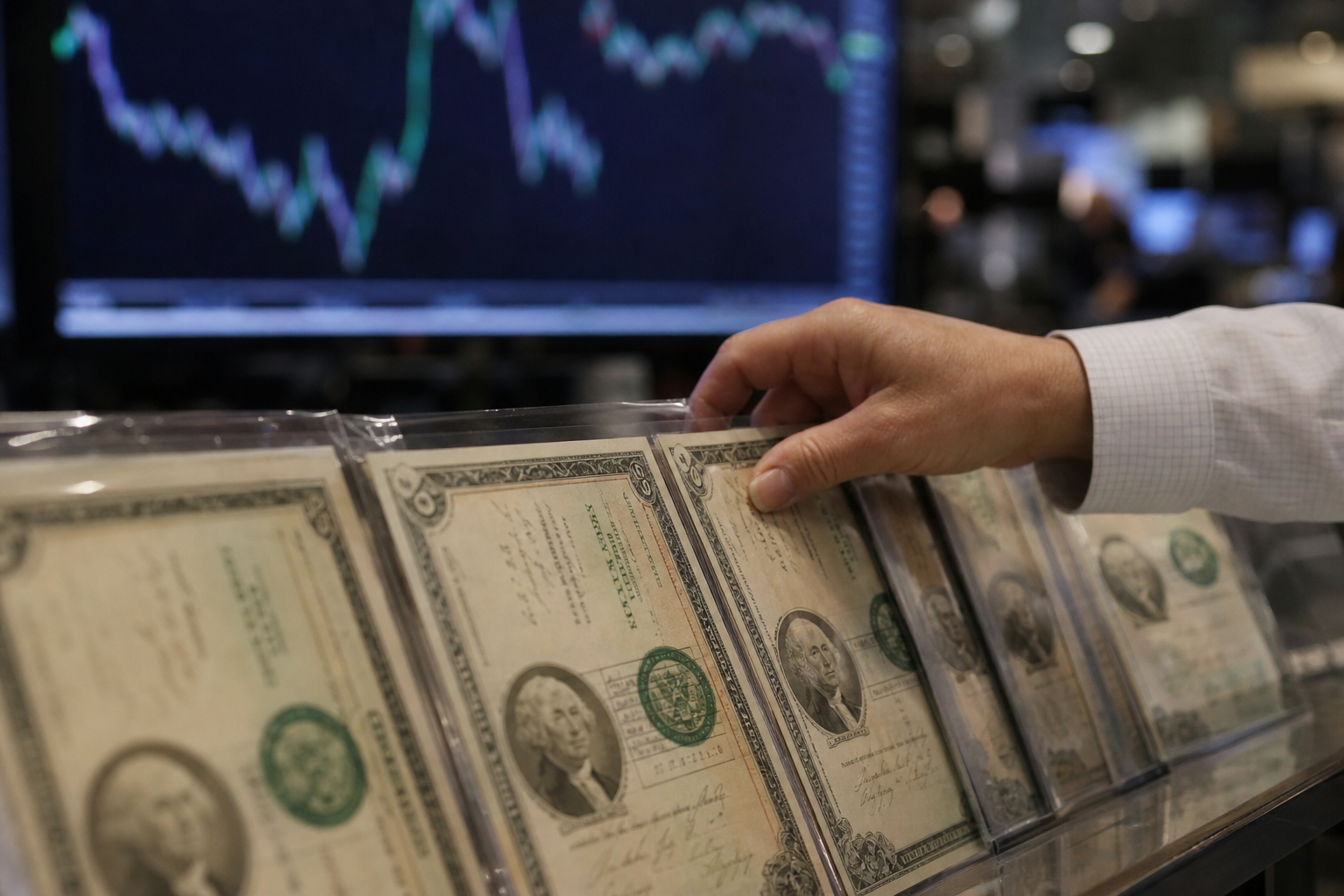
In an unsettling twist for market participants, the 30-year U.S. Treasury yield has surged to its highest level since 2007, as geopolitical tensions in the Hormuz Strait escalate. Traders should brace for impact, as the implications of rising yields ripple through the financial landscape. The current crisis is not just a headline; it’s a clarion call that demands attention.
The immediate repercussions are clear: U.S. stock futures have dipped as Iran’s provocations intertwine with bond yields and oil prices. The market is reacting to the precarious situation in the Strait of Hormuz, where vessel activity has plummeted and threats of further escalation loom large. With crossings remaining largely in single digits, it’s a stark reminder of the fragility of global supply chains and the potential for economic disturbances.
Understanding the Surge in Yields
Strategists are pointing to several key drivers that could push the 30-year yield even higher. First, the ongoing geopolitical tensions are a primary catalyst. Investors are flocking to the safety of bonds, driving yields upward as demand fluctuates. The market is pricing in the risk associated with potential disruptions, indicating that the yield may continue to climb if the situation deteriorates further.
Second, inflationary pressures remain a persistent concern. The interplay between supply chain disruptions and energy prices is not lost on traders. As oil prices react to the instability in the region, this could compound the existing inflationary pressures, making it likely for yields to rise further as the Federal Reserve contemplates its next moves.
The Equity Valuation Impact
The implications of rising yields on equity valuations cannot be overstated. As the cost of borrowing increases, the affordability of capital for companies may be squeezed, leading to downward pressure on stock prices. This is particularly significant for growth sectors, which are often more sensitive to interest rate changes. As yields rise, the present value of future cash flows diminishes, a phenomenon that traders must account for when evaluating their positions.
Moreover, the S&P 500's response to these developments will be crucial. If stock futures continue to decline alongside rising yields, it could signal a broader market correction. The correlation between bond yields and stock prices is a fundamental principle of market dynamics that traders must navigate cautiously.
What Traders Should Watch For
- Monitor geopolitical developments in the Hormuz Strait closely, as any escalation could further affect yield trajectories.
- Keep an eye on oil prices; any spike could exacerbate inflation fears and lead to higher yields.
- Assess the broader implications for equity valuations, particularly in growth sectors that may be disproportionately affected.
In conclusion, the situation demands astute observation and analysis. The market's response to rising yields amid geopolitical turmoil is emblematic of the interconnectedness of modern finance. Traders must remain vigilant and adaptable as these dynamics unfold, preparing for potential volatility ahead.
SourceBull/Bear Verdict
Bull Case: If geopolitical tensions ease and inflation stabilizes, yields may plateau, allowing equities to recover.
Bear Case: Continued threats from Iran and rising inflation could drive yields higher, resulting in further declines in equity valuations.