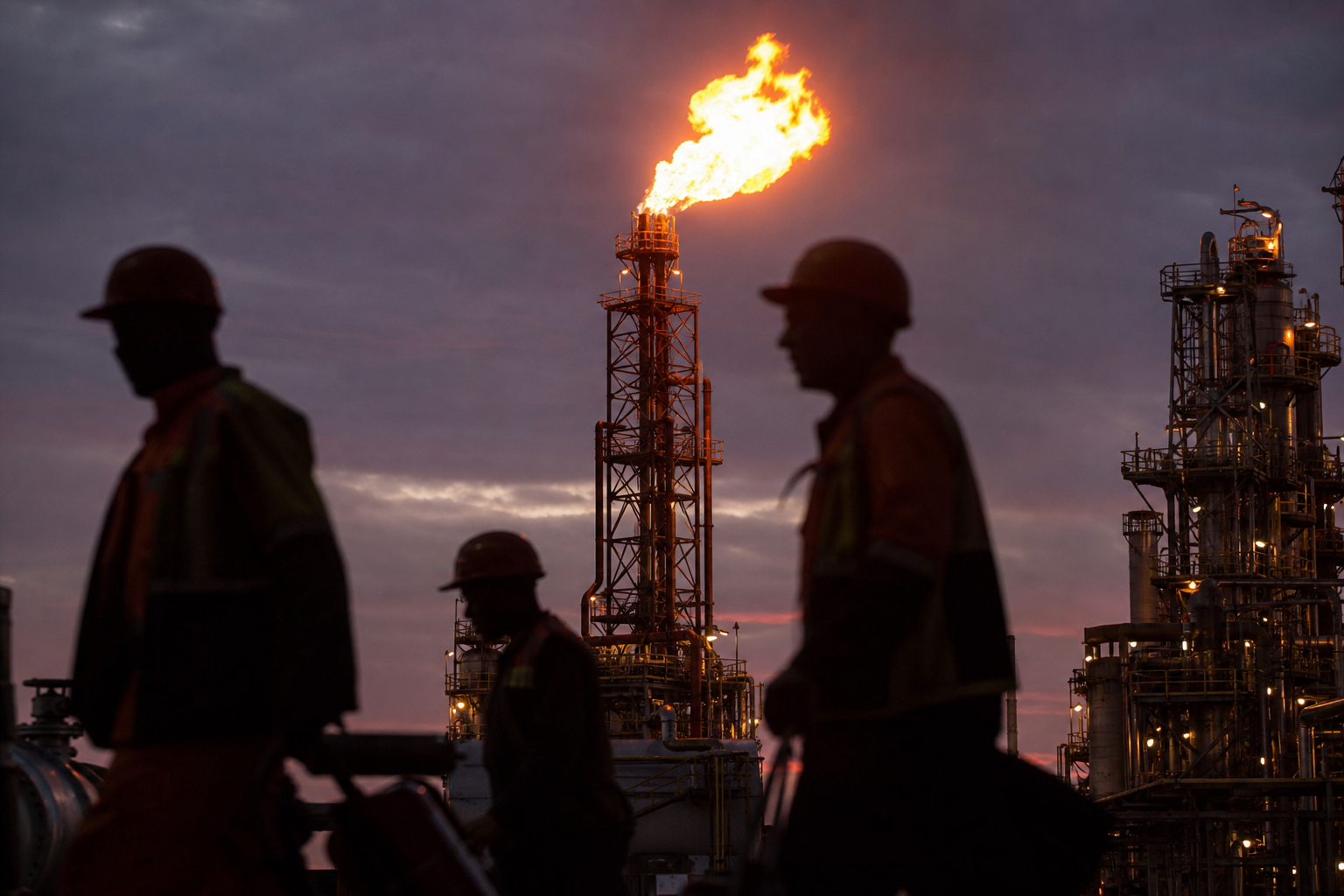
In the world of oil trading, few factors are as influential as geopolitical tensions, and the current discord between Iran and the US has traders on high alert. Oil prices have seen a notable rise, ignited by warnings from Treasury Secretary Scott Bessent regarding imminent sanctions that could further strain the already fragile dynamics of global oil supply. As the market reacts, the impending shutdown of all Iranian airlines creates ripples that could be felt far beyond the Persian Gulf.
As if on cue, the Strait of Hormuz—an artery vital for oil transport—has experienced a dramatic slowdown, with vessel traffic plummeting to just two ships, according to Reuters data. Such a sharp decline in maritime activity raises eyebrows and alarms among traders, who understand that any disruption in this region can lead to significant shifts in oil prices and supply chains.
Market Dynamics Under Pressure
The reverberations of these developments are twofold. Initially, oil prices surged as fears of diminished supply took hold. However, the market's volatility did not linger long. With the Gulf supply outlook improving, oil prices later dipped to a two-week low, illustrating the precarious balance traders must navigate. Such fluctuations are a reminder that the oil market is as much about perception as it is about inventory levels.
Traders focusing on energy stocks, particularly those linked to oil benchmarks like $USO and $WTI Crude, should monitor these geopolitical developments closely. The intertwining of diplomacy and crude oil pricing suggests that shifts in the political landscape can lead to swift and unpredictable changes in market dynamics.
What Traders Should Watch
The situation is fluid, and the stakes are high. Bessent's warning about the shutdown of Iranian airlines indicates a tightening noose around Iranian oil exports, which could further elevate prices if the situation escalates. Traders must keep a keen eye on:
- Diplomatic Developments: Any news regarding negotiations or sanctions could significantly impact supply expectations.
- Strait of Hormuz Traffic: Ongoing monitoring of vessel traffic will provide insights into potential supply disruptions.
- Market Reactions: How traders respond to initial news can set the tone for subsequent trading sessions.
As the oil market continues to react to these unfolding events, the lesson for traders is clear: stay informed and prepared. The balance of power in the oil market can shift dramatically with the slightest provocation, and being ahead of the curve could mean the difference between a gain and a loss.
For those invested in energy equities, this environment poses both opportunities and challenges. The volatility can be enticing, but it requires a disciplined approach to risk management and a reliable source of information.
In conclusion, while oil prices may have dipped, the underlying tensions between Iran and the US signify that traders should remain vigilant. The interplay between geopolitical events and market responses will continue to shape the landscape of energy trading for the foreseeable future. For further details on the current situation, check out the full report on CNBC.