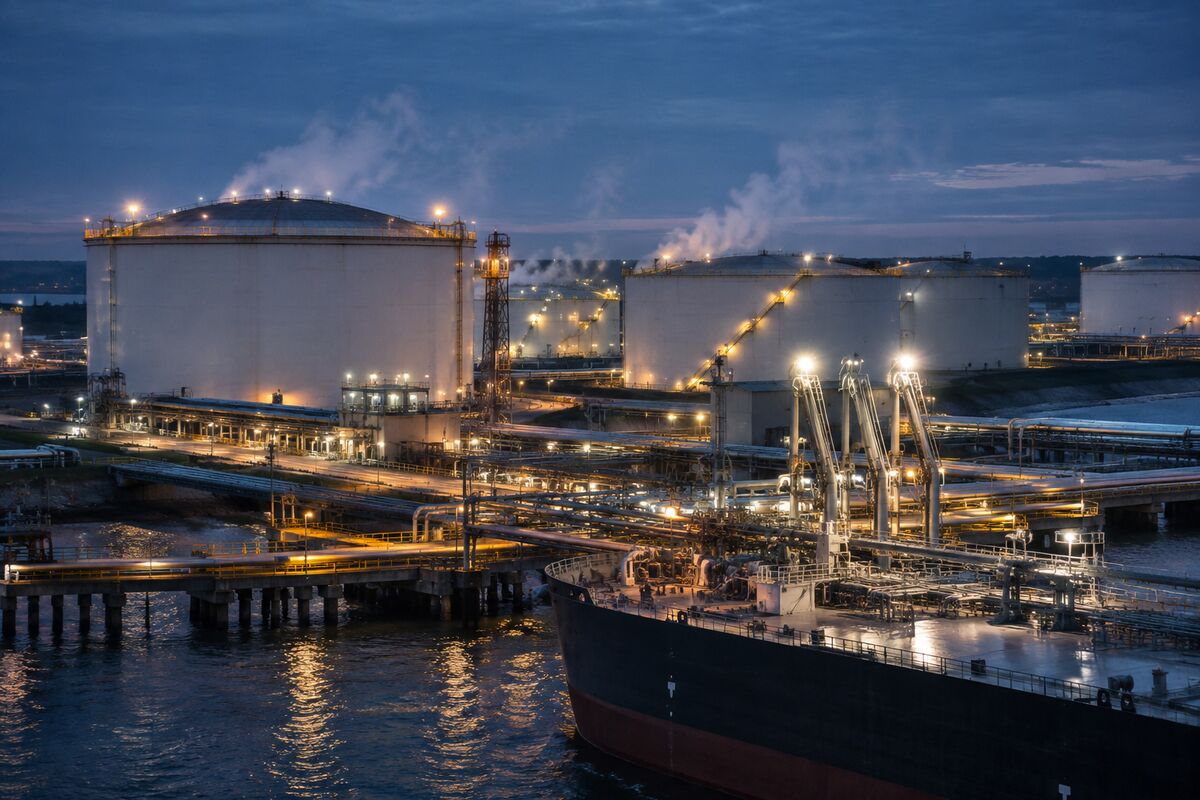
Energy ownership is becoming a matter of strategic alignment, not merely corporate finance. A consortium led by U.S. billionaire Todd Boehly has agreed to acquire Lukoil International GmbH, the entity holding Lukoil’s oil and gas assets outside Russia.
The proposed transaction would place a global energy portfolio under American- and allied-backed ownership, bringing sanctions policy, supply-chain resilience and geopolitical exposure directly into the framework North American energy investors use to assess the sector.
According to CNBC’s report, the investor group led by Boehly agreed to acquire Lukoil International GmbH, or LIG. The U.S. International Development Finance Corporation and UAE-based Catena Investments are also parties to the deal.
The central point is ownership. LIG holds Lukoil’s oil and gas assets outside Russia, and the agreement is presented as an effort to secure critical global energy assets under American and allied ownership. No transaction value, asset-level details or production figures were disclosed in the assignment, so the significance of the deal rests principally on its strategic structure rather than on a financial metric.
Ownership becomes a policy instrument
For U.S. energy companies, the transaction may signal how Washington and its partners intend to approach strategically important energy holdings connected to sanctioned or geopolitically sensitive jurisdictions. A consortium that includes the U.S. International Development Finance Corporation could give the deal a distinctly policy-oriented character, rather than leaving it as a conventional private acquisition.
That does not, by itself, resolve the broader sanctions questions. The agreement still has to be evaluated through the relevant policy and regulatory framework, and ownership changes do not automatically eliminate legal, operational or geopolitical exposure. But the proposed structure suggests that American participation may be used to bring critical energy assets into a framework more closely aligned with U.S. and allied priorities.
What it could mean for crude supply chains
Global crude markets are sensitive not only to production volumes but also to who controls infrastructure, contracts and operating decisions. Because LIG holds assets outside Russia, the acquisition could alter how market participants assess supply-chain exposure connected to those assets. North American traders may watch for any indication that the ownership change affects commercial continuity, sanctions compliance or the relationship between global energy flows and U.S. policy.
Still, the available information does not establish that production, exports or supply volumes will change. That distinction matters. The transaction is an ownership event, not evidence of an immediate shift in crude availability. Any market impact may depend on how the consortium manages the portfolio and how governments treat the arrangement under applicable sanctions policy.
A new test for energy investors
The deal also highlights a broader change in the energy market. Investors are increasingly forced to examine jurisdiction, political alignment and supply-chain exposure alongside traditional corporate considerations. The presence of Boehly, the DFC and Catena Investments puts those questions at the center of the proposed acquisition.
As the consortium’s announcement describes it, the transaction is intended to bring Lukoil International’s global energy portfolio under American-led ownership. That framing will matter to U.S. and Canadian market participants because it connects energy-asset control with national-security priorities and the future design of sanctions policy.
The contrarian takeaway is straightforward: this is not merely a story about one energy portfolio changing hands. It is a test of whether American-aligned capital can become a durable mechanism for reorganizing ownership of strategically important global energy assets. The agreement may strengthen that argument, but its ultimate significance will depend on execution, policy treatment and the response of the markets that monitor these assets.
Bull/Bear Verdict
Bull Case: The agreement could place LIG’s non-Russian oil and gas assets under American- and allied-backed ownership, potentially improving strategic alignment and giving North American traders greater clarity around sanctions and supply-chain exposure.
Bear Case: The deal does not disclose production figures, asset-level details or closing conditions, and ownership alone may not resolve sanctions, operational or geopolitical risks tied to LIG’s global energy portfolio.