Brutus Mining has put a bright flare over Canada’s junior-resource market. Following its CSE listing, the company rose 89.47% over the week, reaching a reported share price of C$0.72 and a market capitalization of C$14.9 million.
That kind of move can draw traders toward the smallest corners of the resource sector, even while established Canadian producers face pressure from a precious-metals selloff. But a sharp post-listing advance is a market event—not, by itself, proof that a company has undergone a lasting fundamental revaluation.
A listing turns on the lights
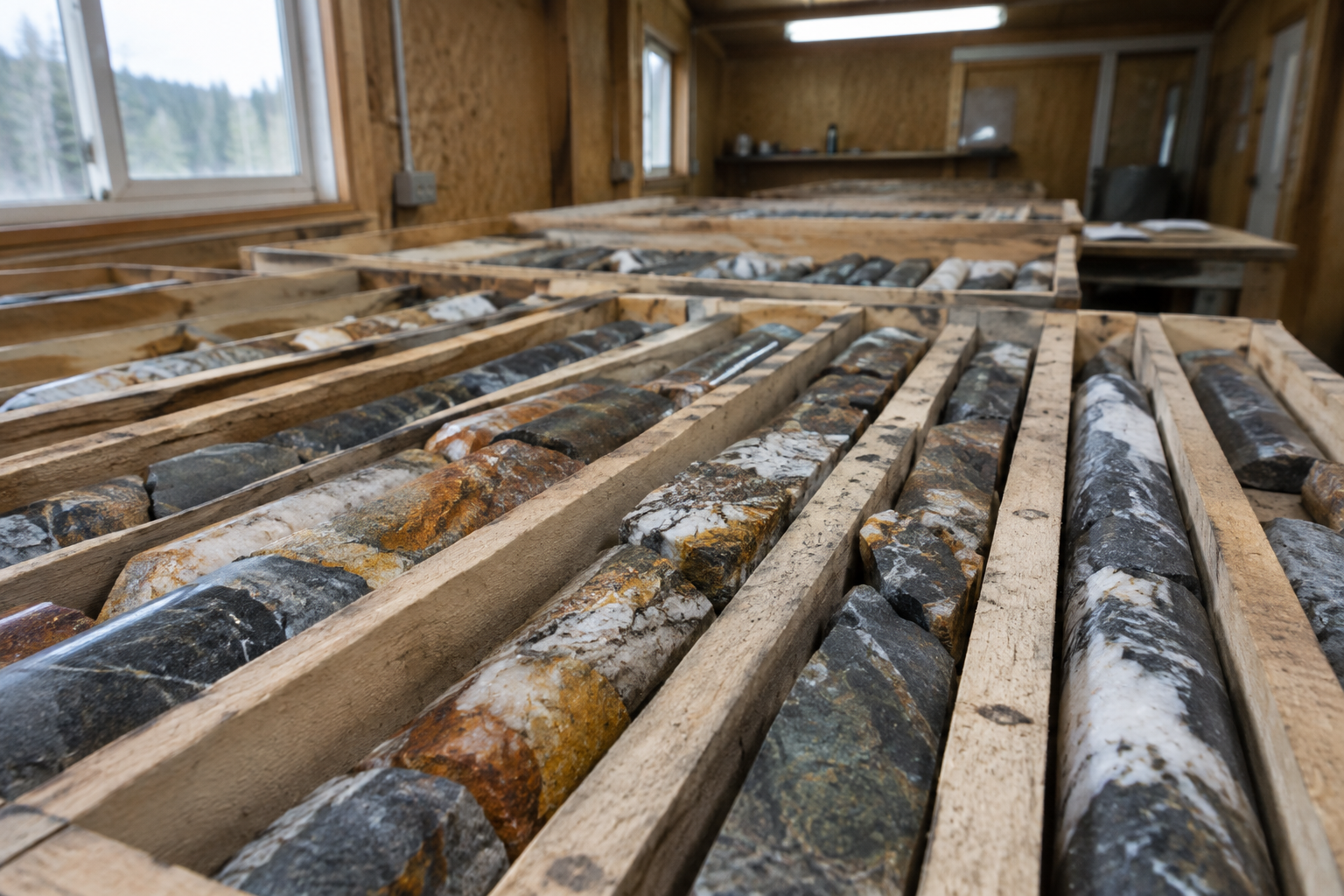
Brutus Mining is advancing the CW copper project in south-central British Columbia. Its weekly gain placed it among the leading Canadian junior resource-stock performers, according to market coverage of Canadian junior gainers.
The numbers are eye-catching precisely because the company remains small. A C$14.9 million market capitalization leaves the stock in a segment where relatively limited trading activity can magnify price movements. The C$0.72 share price and 89.47% weekly increase therefore offer a snapshot of speculative momentum, not a complete valuation argument.
For traders, the distinction matters. A newly listed company may attract attention as investors search for fresh copper exposure, particularly when the project story is easier to trade than to value. Yet the assignment data does not establish that Brutus Mining has delivered a new resource estimate, reached a development milestone or demonstrated sustained operating performance. The move may be listing-related enthusiasm rather than evidence of a durable change in fundamentals.
Silver adds another speculative lane
GR Silver Mining offers a separate example of how junior explorers can capture attention. The TSX Venture-listed company, identified by the ticker $GRSL, has been highlighted for the potential of high-grade silver discoveries across its exploration properties. Its story is less about a reported weekly price move here and more about the appeal of discovery-led upside in a market that often rewards geological possibility before commercial production is visible.
That contrast—Brutus Mining’s sharp CSE listing-related move alongside $GRSL’s silver-discovery narrative—shows why high-beta exploration shares can attract capital even when larger producers are under pressure. Copper and silver themes can offer investors a way to express a view on future discoveries, but junior explorers also carry a different risk profile from established miners with operating histories.
Momentum comes with a narrow runway
Low market capitalization, limited operating history and high volatility can all make these equities vulnerable to abrupt reversals. The same thin-market conditions that amplify an advance may magnify selling when attention fades. For Brutus Mining, the central question is whether activity following its CSE listing develops into sustained support for the CW project—or remains a brief burst of speculative trading.
For $GRSL, the key uncertainty is similarly tied to exploration: high-grade discovery potential can create an appealing narrative, but potential is not the same as a producing asset. The recent action in Canadian junior resources suggests risk appetite remains present, though the sector’s headline gains should be read alongside its considerable uncertainty.
Bull/Bear Verdict
Bull Case: Brutus Mining’s 89.47% weekly gain, C$0.72 share price and C$14.9 million market capitalization suggest strong speculative interest in its CW copper project, while $GRSL’s high-grade silver-discovery potential could keep exploration themes in focus.
Bear Case: The Brutus Mining move followed its CSE listing and may not indicate sustained fundamental revaluation; its low market capitalization, limited operating history and high volatility could leave the stock exposed to sharp reversals, as could the early-stage nature of $GRSL’s discovery narrative.