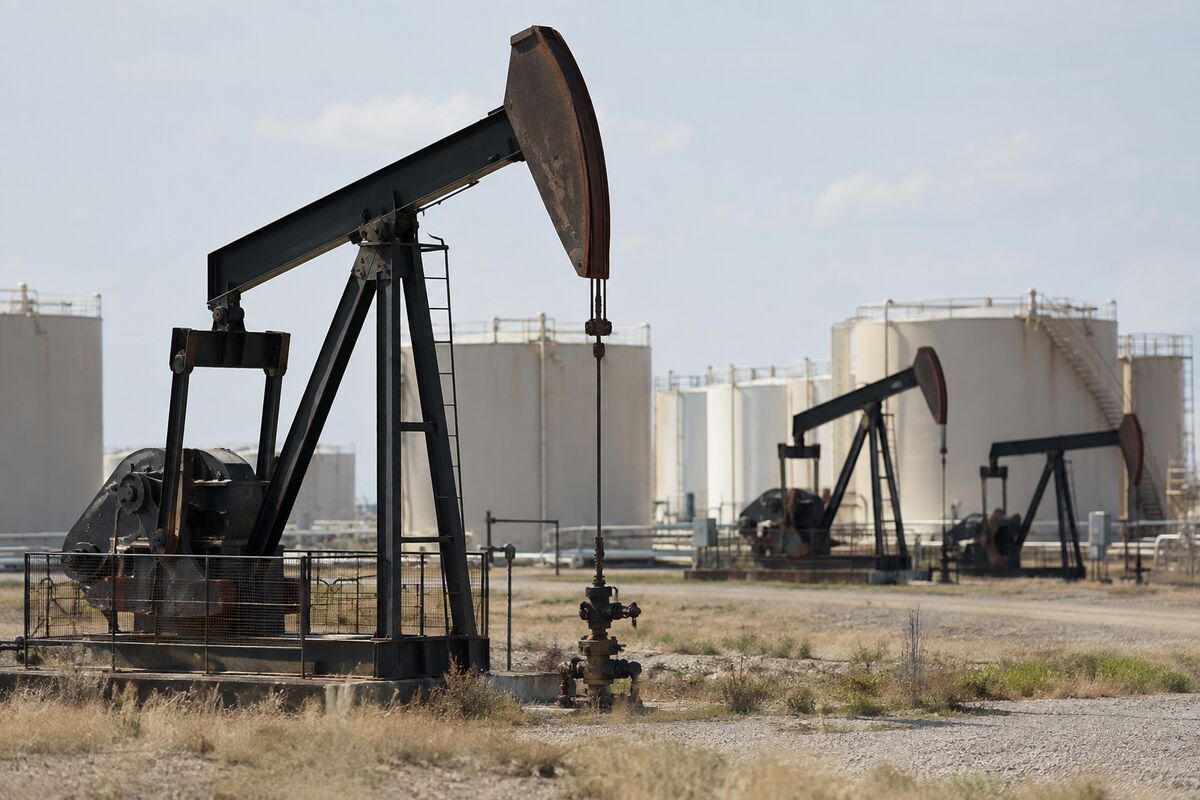
ConocoPhillips has handed shareholders a fresh signal from the oil patch: the company raised its dividend after beating earnings estimates, with higher oil prices helping drive the stronger results. For investors watching the connection between crude markets and energy-sector income, the announcement offers a useful snapshot of how commodity strength can flow through to shareholder returns.
But this is not a simple tale of rising oil prices and rising confidence. The backdrop remains unsettled, with supply-and-demand concerns keeping the crude market volatile. ConocoPhillips’ dividend increase may indicate that management sees enough strength in the company’s cash-generation outlook to support a higher payout, though the durability of that support remains tied to the commodity cycle.
According to the supplied report, ConocoPhillips, which trades on the NYSE under $COP, beat earnings estimates and increased its dividend. The key driver identified in the supplied facts was higher oil prices. No specific dividend amount, earnings-per-share figure, revenue number, oil-price level or share-price reaction was provided, so the significance lies in the direction of the announcement rather than in a particular numerical threshold.
What the dividend increase may signal
A dividend increase can serve as more than an income event. It may also communicate how management views the company’s financial position and near-term cash-generation outlook. In this case, the timing after an earnings beat and stronger oil-price contribution could suggest that ConocoPhillips is translating improved operating conditions into a greater shareholder distribution.
That signal deserves a measured reading. Oil prices are an external force, not a fixed foundation. When crude prices strengthen, producers may see additional support for earnings and cash generation. When the market turns, however, the same exposure can work in the opposite direction. The dividend announcement therefore may reflect confidence in current conditions without establishing a specific forecast for future results.
Commodity strength comes with a moving backdrop
The broader oil market remains shaped by competing supply-and-demand concerns. Those forces can shift the value of each barrel and influence how much financial flexibility producers have for dividends and other shareholder returns. Volatility makes the headline more nuanced: higher oil prices helped ConocoPhillips this time, but investors still have to distinguish between support from the commodity environment and strength that comes from the company’s underlying operations.
That distinction matters because income from an energy producer is naturally linked to market conditions. A dividend increase may be encouraging, but it does not remove commodity-price exposure. Instead, it puts that exposure in sharper focus. Investors assessing $COP may view the company as relevant to the question of whether oil-price strength can support energy-sector shareholder returns, while also recognizing that supply-and-demand shifts could alter the backdrop.
Why $COP is on the investor radar
For energy-sector investors weighing income against commodity-price exposure, ConocoPhillips offers a timely case study. The company’s earnings beat, dividend increase and connection to higher oil prices all point to the same central issue: shareholder returns in the energy industry can be supported by strong crude markets, but they remain connected to the volatility of those markets.
The announcement is therefore best read as a signal, not a promise. It may indicate management confidence in cash generation, while the ongoing supply-and-demand debate suggests that the market’s support cannot be treated as permanent. For investors tracking $COP, the important question is not only whether oil prices are helping now, but how resilient the company’s shareholder-return framework may be as conditions evolve.
Bull/Bear Verdict
Bull Case: The earnings beat, higher oil prices and dividend increase may indicate stronger cash-generation support for $COP shareholder returns.
Bear Case: Ongoing oil-market volatility and supply-and-demand concerns could make the support from higher oil prices less durable than the dividend announcement suggests.