
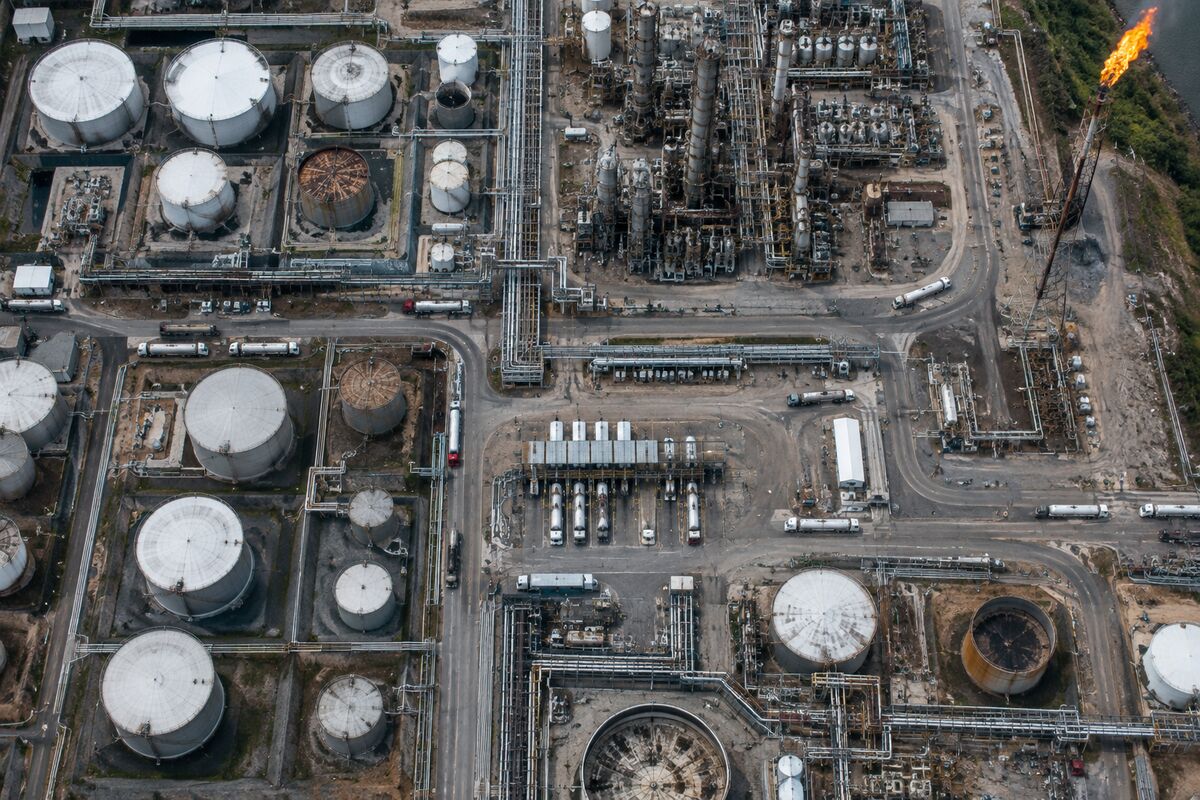
Oil prices can fall without taking every energy company down with them. Phillips 66’s record quarterly result is a reminder that the US energy business is not one giant crude-price trade, but a collection of linked markets with very different pressure points.
The company’s refining segment supplied the horsepower behind the result, suggesting that downstream margins remained resilient even as softer oil prices and uncertain Middle East headlines kept commodity markets on edge. For investors, that contrast is the real story: the value of turning crude into fuels can hold up even when the price of crude itself is retreating.
Phillips 66 reported a record quarterly profit driven by strength in refining, according to the company’s reported result and source coverage. The supplied context does not include earnings-per-share, revenue, share-price or margin figures, so the significance rests on direction rather than precision: refining was strong enough to produce a record quarterly outcome.
Refining tells a different oil story
For upstream producers, falling oil prices can put direct pressure on realized commodity values. Refiners operate through a different economic mechanism. Their performance depends on the relationship between the cost of crude and the value of refined products, along with operating conditions and demand.
That distinction helps explain why Phillips 66 could deliver a powerful refining result while oil prices fell. Lower crude prices do not automatically erase downstream strength. In some circumstances, they may alter the cost structure without removing the market’s appetite for fuels. The result therefore indicates that downstream resilience can matter as much as the headline direction of crude.
It also offers a useful counterweight to the instinctive assumption that every energy stock should move in lockstep with oil. Integrated and downstream companies may have earnings profiles that respond differently to the same commodity backdrop. Phillips 66’s quarter suggests that investors evaluating the US energy sector need to look beyond a single oil-price chart and ask which part of the value chain is generating the earnings.
Geopolitics adds a second layer
The result arrived as oil prices fell on hopes for diplomacy, even while fears of further escalation in the Middle East continued. That combination creates a market backdrop filled with competing signals: diplomacy may reduce pressure on crude prices, while escalation fears can keep geopolitical risk firmly in view.
For Phillips 66, the reported strength in refining shows why downstream companies can provide a different lens on that tension. Refiners may be less directly tied to a simple bullish-or-bearish oil narrative, though their results remain sensitive to commodity prices and the broader conditions shaping fuel markets. The quarter does not remove that sensitivity; it shows that refining performance can remain robust despite it.
A read-through for US energy earnings
Phillips 66’s record quarterly result may serve as an early read-through for the broader US energy-sector earnings season. It places downstream resilience on the scoreboard and raises a central question for other companies: how durable are their margins when oil prices soften and geopolitics remain unsettled?
The answer will not be identical across the sector. Still, Phillips 66 has supplied a useful test case. Its refining strength suggests that commodity exposure is more nuanced than a crude-price headline implies, while the absence of specific figures in the supplied context counsels against treating one company’s result as a complete sector verdict.
Bull/Bear Verdict
Bull Case: Phillips 66’s record quarterly result, driven by refining strength, may indicate that downstream margins can remain resilient even as oil prices fall.
Bear Case: The result may not translate across the US energy sector if commodity-price sensitivity and continuing Middle East escalation fears weigh differently on other businesses.