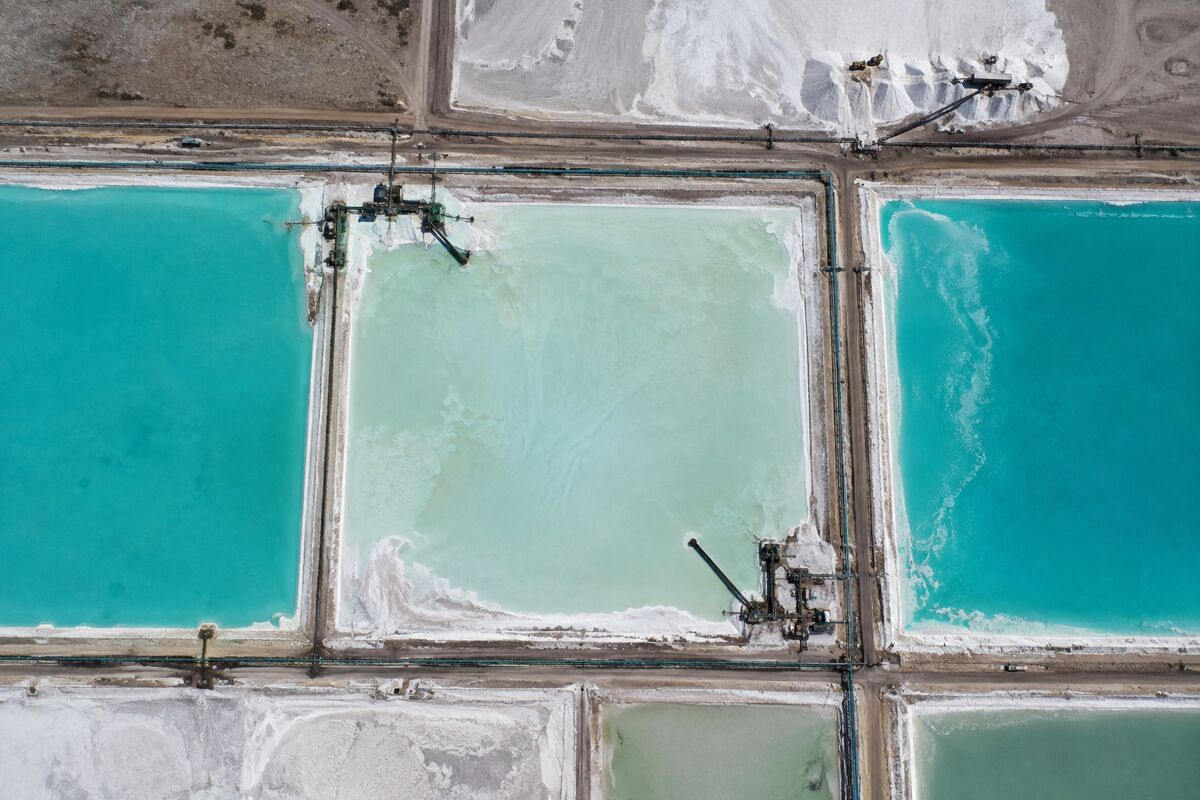
Pure Energy Minerals is placing a new piece on the North American lithium chessboard. The TSX Venture Exchange-listed company has signed a definitive agreement to acquire the Railroad Valley Lithium Brine Property in Nevada, adding a US asset to its development pipeline.
For investors watching domestic battery-material supply chains, the deal is notable less for what it promises today than for what it puts on the map: a Nevada lithium brine project inside a market increasingly focused on reducing reliance on foreign sources. The company’s announcement is available in this press release.
Why Nevada matters to the lithium story
Nevada has become an important setting for discussions about US lithium supply. A brine acquisition there gives Pure Energy Minerals exposure to a domestic project concept at a time when North American manufacturers and policymakers are focused on building more resilient battery-material supply chains.
That does not make the Railroad Valley property a producing asset, and the announcement does not provide resource estimates, production timelines, valuation details or other development milestones. Those omissions matter. A definitive acquisition agreement marks a corporate and project-stage step, but it is not the same as demonstrated production or a completed supply arrangement.
The project-stage questions investors may track
The most relevant questions now sit ahead of the headline. Investors may watch for further information about the property’s lithium brine potential, the progress of exploration and development work, and any future milestones that clarify how the asset could fit into North American supply chains.
The agreement also places attention on execution. Acquiring a Nevada property may broaden Pure Energy Minerals’ development pipeline, but the value of that addition will depend on how the project advances and what information emerges over time. With no reported deal terms, resource estimates, production schedule or valuation details in the supplied announcement, the market has limited disclosed data with which to assess the transaction’s eventual scale.
A domestic-supply narrative with a long road ahead
That tension is familiar across critical minerals. Domestic sourcing can carry strategic importance because it may help reduce dependence on foreign battery-metal sources. Yet strategic relevance and project maturity are different measures. The Railroad Valley acquisition agreement gives Pure Energy Minerals a Nevada foothold; it does not, on the information provided, establish a near-term contribution to battery supply.
For the TSX Venture-listed company, the story is therefore one of pipeline expansion and potential rather than completed output. Nevada gives the transaction a distinctly US-facing profile, while the absence of reported technical and commercial details leaves the next chapters particularly important.
Bull/Bear Verdict
Bull Case: The definitive agreement could strengthen Pure Energy Minerals’ North American development pipeline by adding a Nevada lithium brine asset, giving investors a new angle on domestic battery-material supply.
Bear Case: The announcement provides no reported resource estimate, production timeline, valuation or deal terms, so the project’s eventual scale and commercial significance remain uncertain.