Pure Energy Minerals is adding another piece to the North American lithium map: a 213-claim brine property in Nevada that could broaden the company’s exploration portfolio while keeping the project firmly in the evaluation stage. The definitive agreement with Ameriwest Critical Metals gives Pure Energy a US-based asset without providing, at least in the information available here, a resource estimate, development schedule or production plan.
That distinction matters. In critical minerals, acreage can open a door, but it is not the same as walking into a mine. The Railroad Valley Lithium Brine Property may carry strategic relevance for a company focused on lithium exploration, yet the transaction’s significance rests on what Pure Energy could investigate next—not on output that has already been demonstrated.
A 213-claim addition in Nevada
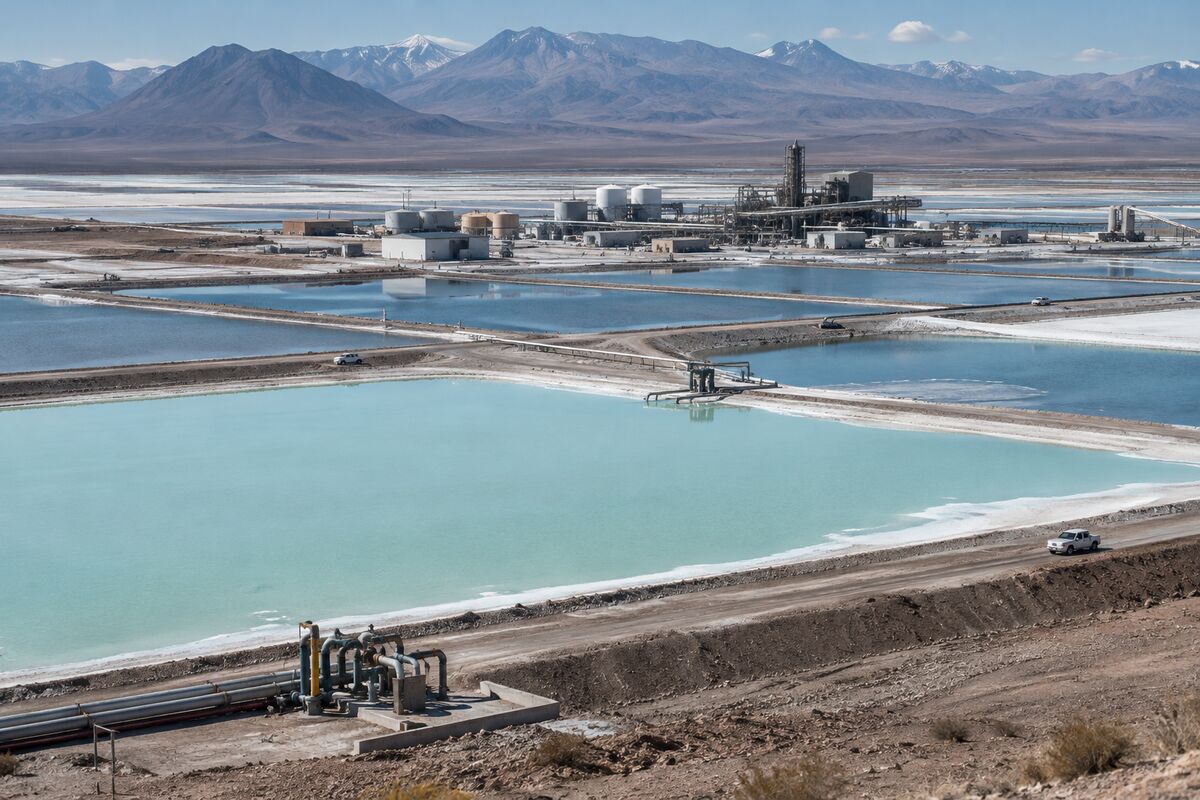
Under the definitive agreement, a wholly owned subsidiary of Pure Energy Minerals will acquire Ameriwest Critical Metals’ interest in the Railroad Valley Lithium Brine Property. The property comprises 213 unpatented mineral claims, giving Pure Energy a substantial block of Nevada exploration ground to add to its portfolio.
Pure Energy is listed on the TSX Venture Exchange, placing the transaction within the Canadian junior-mining market while the asset itself sits in the United States. That cross-border profile is central to the story: a Canadian-listed explorer pursuing a US lithium opportunity reflects how North American critical-minerals strategies can connect capital markets, exploration expertise and domestic supply-chain ambitions.
Still, the agreement should be read as an acquisition of exploration potential, not a declaration of commercial readiness. The supplied transaction information does not include purchase terms, a lithium resource estimate, planned drilling, production timelines or any share-price data. Those omissions are not footnotes; they define what investors can and cannot conclude at this point.
Why the Nevada setting matters
Lithium brine assets may be strategically relevant to US and Canadian battery-metal supply-chain objectives because they offer a potential domestic or North American source of a material used in batteries. A Nevada property also places the exploration story inside the United States, where proximity to the intended market could matter if a project eventually advances.
But “potential” is doing the heavy lifting. The agreement does not establish that the Railroad Valley property hosts an economic lithium deposit, nor does it indicate when development might occur. The next chapter would depend on exploration results and technical evaluation, neither of which is provided in the assignment.
Ameriwest sharpens its copper focus
For Ameriwest, the proposed sale points in a different direction. The transaction advances the company’s copper-focused strategy by allowing it to move on from its interest in Railroad Valley. That creates a straightforward portfolio contrast: Pure Energy gains a lithium exploration asset, while Ameriwest emphasizes copper.
The deal therefore looks less like a finished supply-chain solution than a portfolio reshuffle within North American critical minerals. As described in the transaction announcement, the key development is the definitive agreement itself. The strategic promise lies in the property’s location, claim package and commodity focus; the unanswered questions concern geology, economics and execution.
For market watchers, that makes Railroad Valley a story to follow rather than a result to declare. Pure Energy has expanded its exploration canvas, but the value of the addition may ultimately depend on what the company finds beneath those 213 unpatented claims.
Bull/Bear Verdict
Bull Case: The agreement could strengthen Pure Energy Minerals’ exploration portfolio by adding 213 Nevada lithium brine claims and may align the TSX Venture-listed company with North American battery-metal supply-chain objectives.
Bear Case: The property remains an exploration asset, and the available details provide no resource estimate, transaction terms, production timeline or evidence of commercial development.