
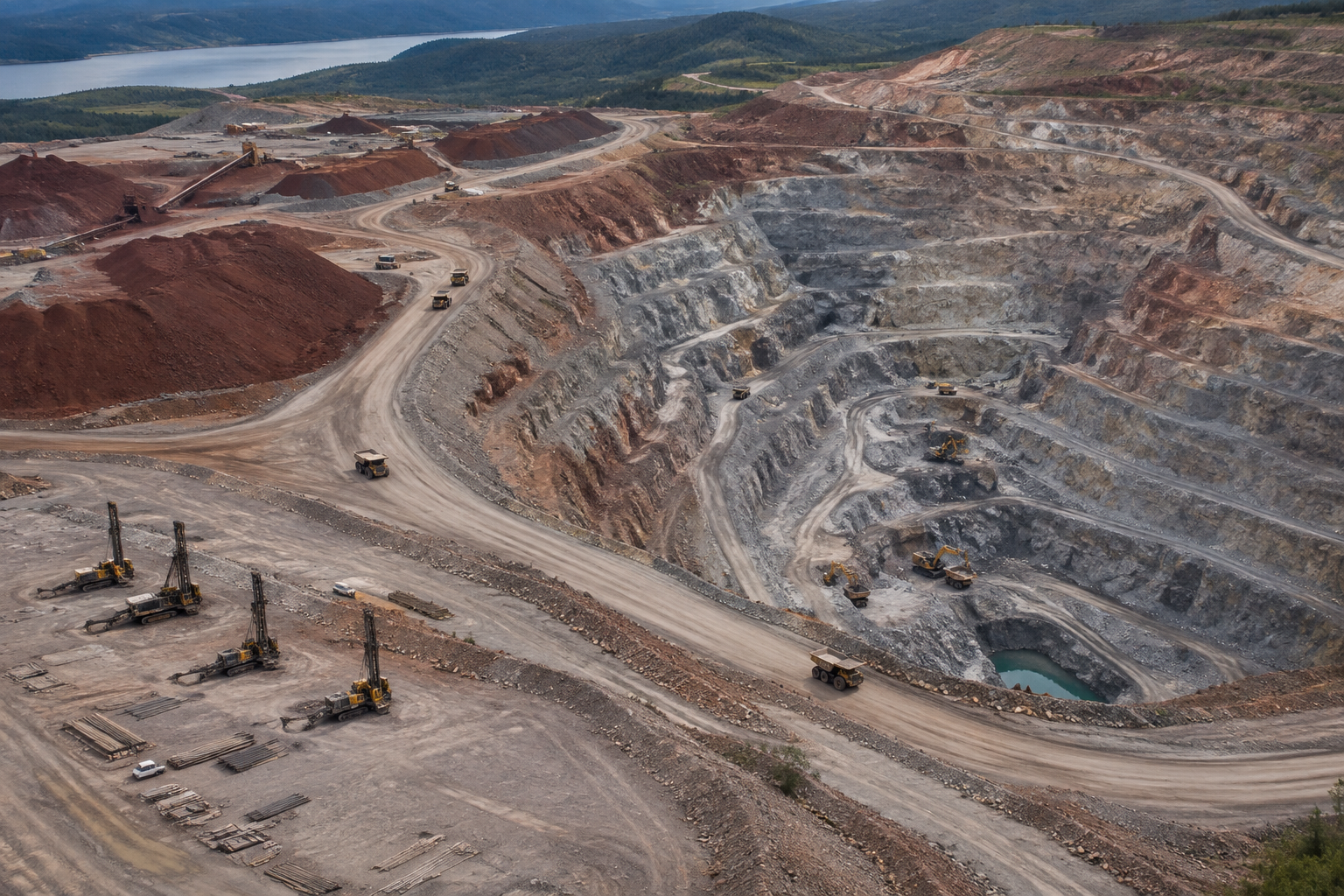
Copper edged higher as mine-supply disruptions met a tighter warehouse cushion, putting the industrial metal’s fragile supply picture back in the spotlight. LME inventories declined by 1,625 tons to 232,275 tons, a move that suggests the market has less readily available metal to absorb fresh turbulence.
For investors watching US and Canadian-listed copper producers and explorers, the message is less about a single price quote than about the balance between supply risk and demand tied to electrification and grid buildout. When inventories narrow while mine output faces uncertainty, sentiment toward the North American copper sector may find a more supportive backdrop—though the path remains dependent on how disruptions develop.
A smaller cushion for a critical metal
The inventory figure is the clearest piece of market evidence in the latest move. LME copper stocks fell to 232,275 tons, down 1,625 tons. That decline does not, by itself, establish a shortage. It does, however, reduce the visible supply buffer tracked through the exchange and adds weight to concerns about how easily the market could respond to further interruptions.
The other half of the equation is mine supply. The report points to disruptions affecting production, without identifying a specific mine or company. That distinction matters: copper markets can be highly sensitive to unexpected interruptions because new production cannot be brought online at the same speed as existing output can be lost.
Analysts use a disruption allowance to reflect that uncertainty. It represents the percentage of mine production they expect to be lost to unplanned events during the year. In practical terms, the allowance acknowledges that mine plans are not perfectly smooth schedules; operational setbacks can remove supply even when headline production targets appear intact.
Why North American stocks may pay attention
For copper miners and explorers listed on US and Canadian exchanges, tighter LME inventories and disruption risk may influence investor sentiment by reinforcing the strategic importance of reliable supply. The effect is not automatic, and the assignment provides no company-specific performance or price data. Still, a market with a smaller visible inventory cushion can make the supply side of the copper story harder to ignore.
That story extends beyond warehouses. Copper is central to electrification and grid-buildout demand, where its conductivity makes it an important material for power infrastructure. As those long-term themes keep copper in the critical-minerals conversation, supply disruptions can give near-term market developments greater significance.
The result is a market balancing two forces: copper edged higher as supply concerns intensified, while inventories moved lower. The combination may support a constructive reading for North American producers and explorers, but it also underscores the uncertainty embedded in mining. Until the source identifies the scale or duration of specific disruptions, the prudent conclusion is that supply risk has become more visible—not that the market has crossed into a confirmed shortage.
Read the source report on copper’s move, mine-supply disruptions and LME inventories for the underlying market details.
Bull/Bear Verdict
Bull Case: Copper edging higher alongside a 1,625-ton decline in LME inventories to 232,275 tons may indicate that supply tightness is gaining market attention, potentially supporting sentiment toward North American copper producers and explorers.
Bear Case: The inventory decline is measurable, but the report does not specify the scale or duration of the mine disruptions, so the move may not yet establish a lasting shortage or sustained advantage for the North American sector.