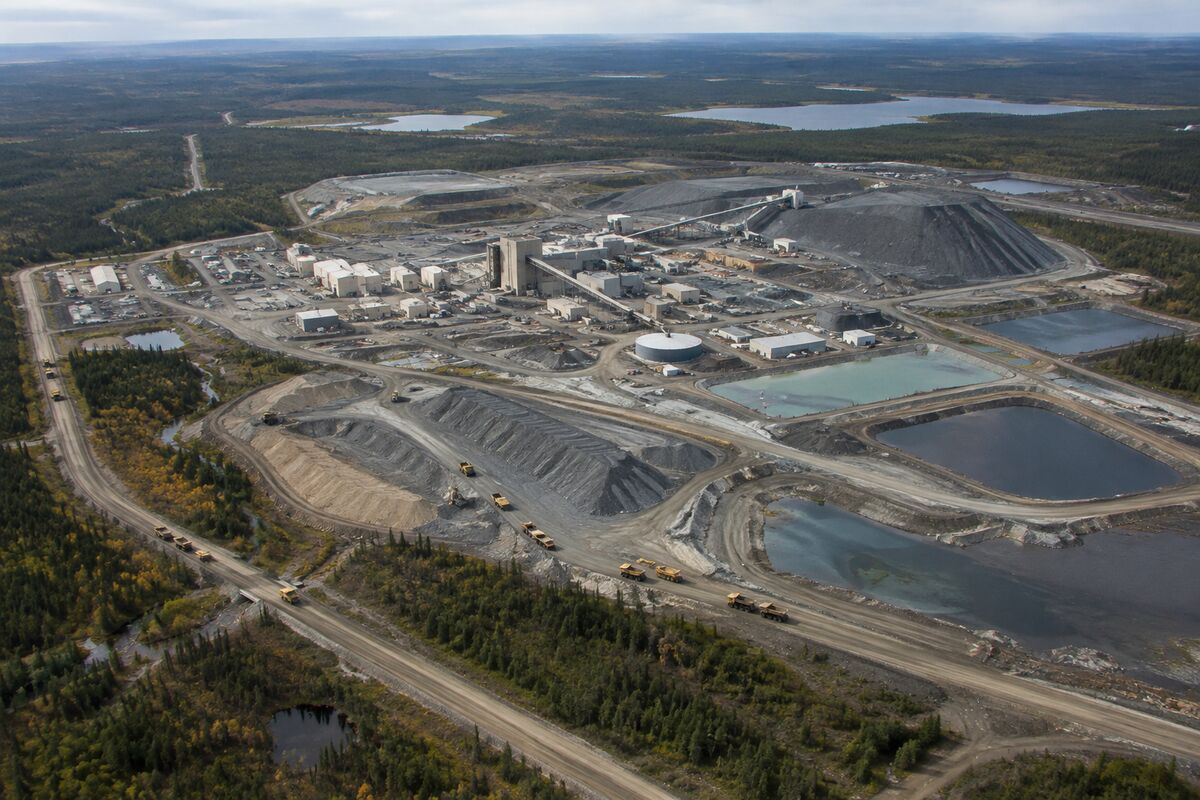
For Nicola Mining, the latest milestone is less about a rock sample than a supply chain. The company says it completed its 2026 mining campaign at the Dominion Gold Project and shipped 1,300 tonnes of gold-bearing material from Dominion Creek to its Merritt mill for processing.
That distinction matters to investors watching the gap between exploration promises and operating activity. Nicola is not presenting this update solely as a discovery headline; it is pointing to material moved from a mining campaign into a permitted processing operation, a model that may offer a different set of potential revenue and cash-flow characteristics from a pure exploration junior.
From campaign ground to mill feed
Nicola Mining Inc. — listed as $NIM on the TSX Venture Exchange, with the additional tickers $HLIA and $HUSIF identified in the company’s announcement — has completed the 2026 campaign at the Dominion Gold Project. The company reports that 1,300 tonnes of gold-bearing material were shipped from the Dominion Creek campaign.
The material was delivered to Nicola’s Merritt mill for processing. As the company’s announcement describes, the operational sequence runs beyond the boundary of the project itself: mining activity produced material, and that material was moved to a company-linked processing facility.
There is no production, recovery, grade, revenue or profitability figure in the supplied update. That puts a firm limit on what can be concluded. The 1,300-tonne shipment indicates movement of gold-bearing material and delivery to the mill; it does not, on its own, establish how much metal may ultimately be recovered or what financial result processing may produce.
Why the toll-milling model changes the conversation
Exploration companies often live on the promise of what a deposit might become. Their updates can be rich in geological potential but distant from a processing route or operating rhythm. Nicola’s permitted mill and toll-milling business model add another layer to the story: the company has an operating asset designed to process material, while its mining campaign supplies material from Dominion Creek.
For investors focused on potential cash-flow characteristics, that structure may be more relevant than an exploration announcement standing alone. A permitted mill could provide a pathway for material to enter processing, while toll milling may allow the company to participate in processing activity beyond a single project. Those possibilities are distinct from confirmed revenue or profitability, neither of which is provided here.
The shipment also gives the market a concrete operational marker. Campaign completion, a stated tonnage and delivery to the Merritt mill form a more measurable update than a broad statement about exploration progress. Yet the next analytical question remains financial: what processing outcomes and economics follow from the material? The supplied information does not answer that question.
A milestone with limits
Nicola’s 2026 Dominion Creek campaign therefore lands as an execution update with potential strategic significance. The 1,300 tonnes shipped to Merritt show that the company’s mining and milling pieces are connected in practice, not merely described as separate assets. Whether that connection develops into meaningful revenue or cash flow will depend on information not included in the announcement.
For now, the story is straightforward but notable: the campaign is complete, the material has moved, and Nicola’s permitted milling model remains central to how investors may interpret the company beyond the traditional exploration narrative.
Bull/Bear Verdict
Bull Case: The completed 2026 campaign and shipment of 1,300 tonnes to Nicola’s permitted Merritt mill may support the view that its mining and toll-milling model could offer a more tangible operating pathway than pure exploration.
Bear Case: The update provides no recovery, grade, revenue or profitability figures, so the 1,300-tonne shipment alone may not establish the financial contribution of the Dominion Creek campaign.