
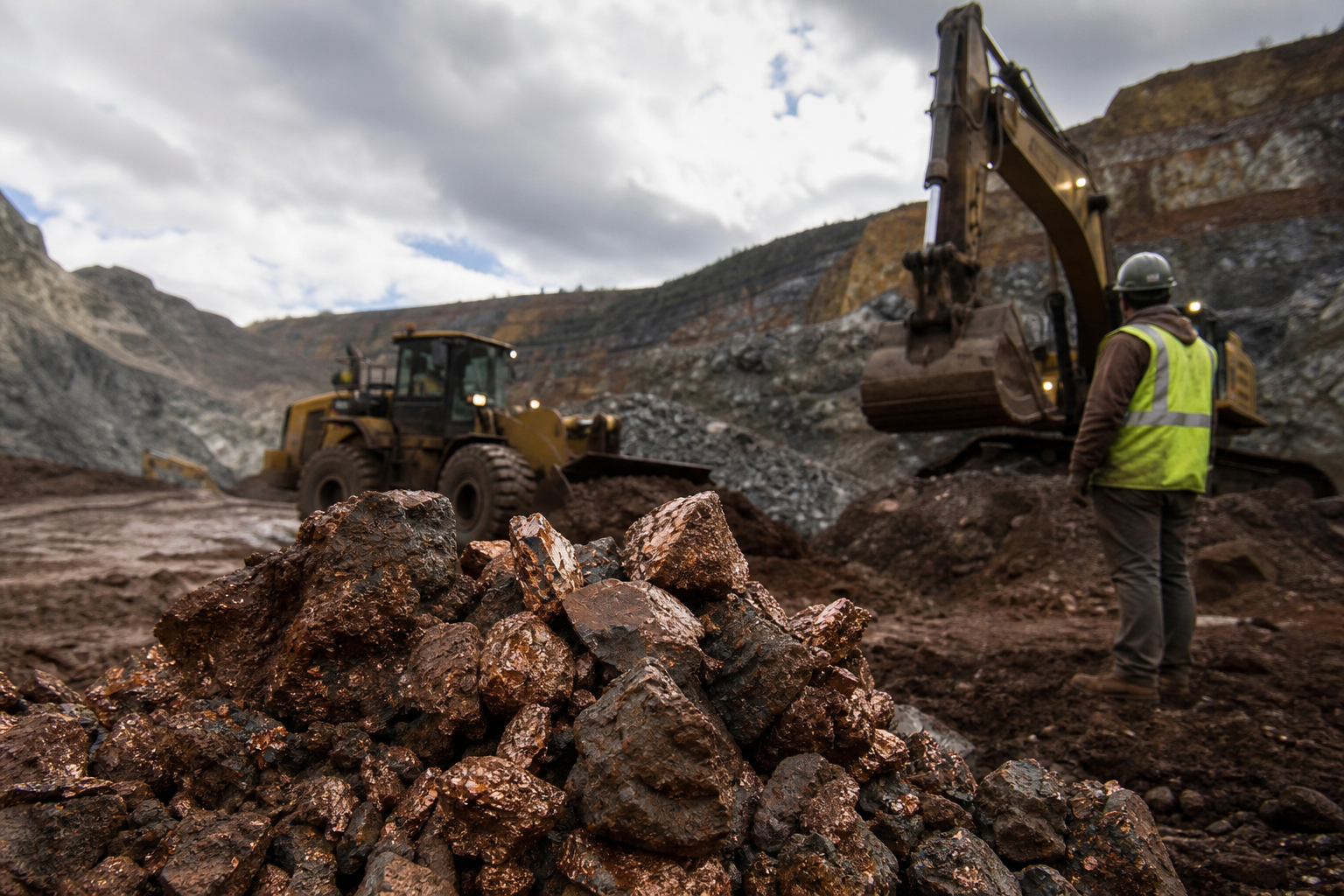
In a market that thrives on the pulse of global trade, copper is experiencing a noticeable retreat from its recent record highs. The primary culprit? The ever-evolving dynamics of tariffs and trade tensions, particularly as China tests the waters with its own tariff strategies. For North American miners, this retreat signals not just a moment of reflection, but also a potential shift in the landscape of supply and demand.
The narrative around copper has been charged with volatility lately. Just a short time ago, the metal was basking in the glow of a New York price record, buoyed by fears of U.S. tariffs. Now, as those fears morph into tangible pressure points, the market is recalibrating. According to insights from the financial giant Citi, the recent retreat in copper prices is not merely a blip; it's a symptom of deeper market dynamics, including shrinking visible inventories outside the U.S. and constrained mine supply.
The Tariff Tango
Tariffs have become a central theme in the copper saga, creating ripples across the supply chain. As China navigates its own tariff landscape, the implications for copper prices could be profound. Citi highlights that while there are pressures on supply—particularly with mine outputs being constrained—the ongoing tariff discussions could either exacerbate or alleviate these issues in the long term.
Supply Pressures and Market Dynamics
Citi's analysis reveals that the visible inventories of copper are dwindling, particularly outside the U.S. This situation is compounded by supply constraints that have plagued the industry. The dual forces of tightening supply and tariff pressures paint a complex picture for North American miners. With the specter of tariffs looming, miners must remain nimble, adapting to shifting conditions while keeping a close eye on global trade policies.
Long-Term Outlook
Looking ahead, the long-term outlook for copper prices remains a topic of keen interest. The interplay between tariff responses from China and supply dynamics will be crucial in shaping future price trends. Miners in the U.S. and Canada may need to brace for a period of uncertainty, yet strategic positioning and adaptability could offer pathways to navigate the challenges ahead.
In conclusion, as copper prices retreat amid tariff pressures, North American miners find themselves at a crossroads. The insights from Citi serve as a timely reminder that while the market may be volatile, understanding the underlying factors driving these changes is essential for making informed decisions in the face of uncertainty. For those watching the copper market, keeping an eye on tariff developments will be crucial in deciphering the metal’s future trajectory.
For further details, you can explore more from Mining.com.